Russian oil workers received a record $3.6 billion in compensation for damaged refineries
Modern energy warfare demonstrates a surprising financial arrhythmia, where the destruction of production facilities directly converts into budget expenditures. Observing the scale of damage to oil refining facilities, government structures are forced to introduce unprecedented support measures. War risks for fuel infrastructure have turned into an item of constant and extremely large-scale state payments.
According to Bloomberg data cited by PromPolitInform, Russia has allocated $3.6 billion for compensation payments to oil companies due to damage to refining enterprises. Such subsidies grew against the backdrop of prolonged strikes on key production capacities to stabilize the domestic fuel market. Large-scale compensations are designed to reduce financial pressure on the industry and partially cover losses from reduced oil refining volumes.
Budget Expenditures and Oil and Gas Revenues
In parallel with record payments to oil workers, budget revenues from the aggressor state’s oil and gas sector demonstrate a noticeable reduction. According to Economichna Pravda, budget revenues from the oil and gas sector in September decreased to 452.4 billion rubles, which is 22% less compared to the same month of 2025. The growth of budget expenditures to support oil workers clearly demonstrates the depth of consequences from air strikes on infrastructure.
However, the consequences of attacks on fuel infrastructure extend far beyond a single jurisdiction, affecting the interests of foreign investors in Ukraine. As noted in a Delo.ua report, the Austrian company Amic Energy lost three oil depots, a data center, and gas station complexes due to Russian strikes. According to the company’s CEO in Ukraine, Gintaras Maciulis, the enterprise applied to the European Court of Human Rights back in 2023, estimating its material losses at over 300 million hryvnias or about 8.5 million euros.
Infrastructure Losses and Lawsuits
Despite significant asset destruction and difficult security conditions, the retail gas station network continues to operate, focusing on strengthening staff protection and installing mobile shelters. At the same time, the broader context of logistical and economic problems is complemented by a shortage of rolling stock on the railways due to enemy shelling. Domestic specialized agencies against this background are forced to look for additional units of equipment from European partners.
Ultimately, the chain reaction from infrastructure destruction and security crises inevitably affects general macroeconomic indicators. According to official data from the National Bank of Ukraine, against the backdrop of diverse challenges and economic destabilization, corresponding currency exchange rate fluctuations occur. All these processes indicate that infrastructure losses and war risks have finally become key drivers of both state expenditures and market transformations.
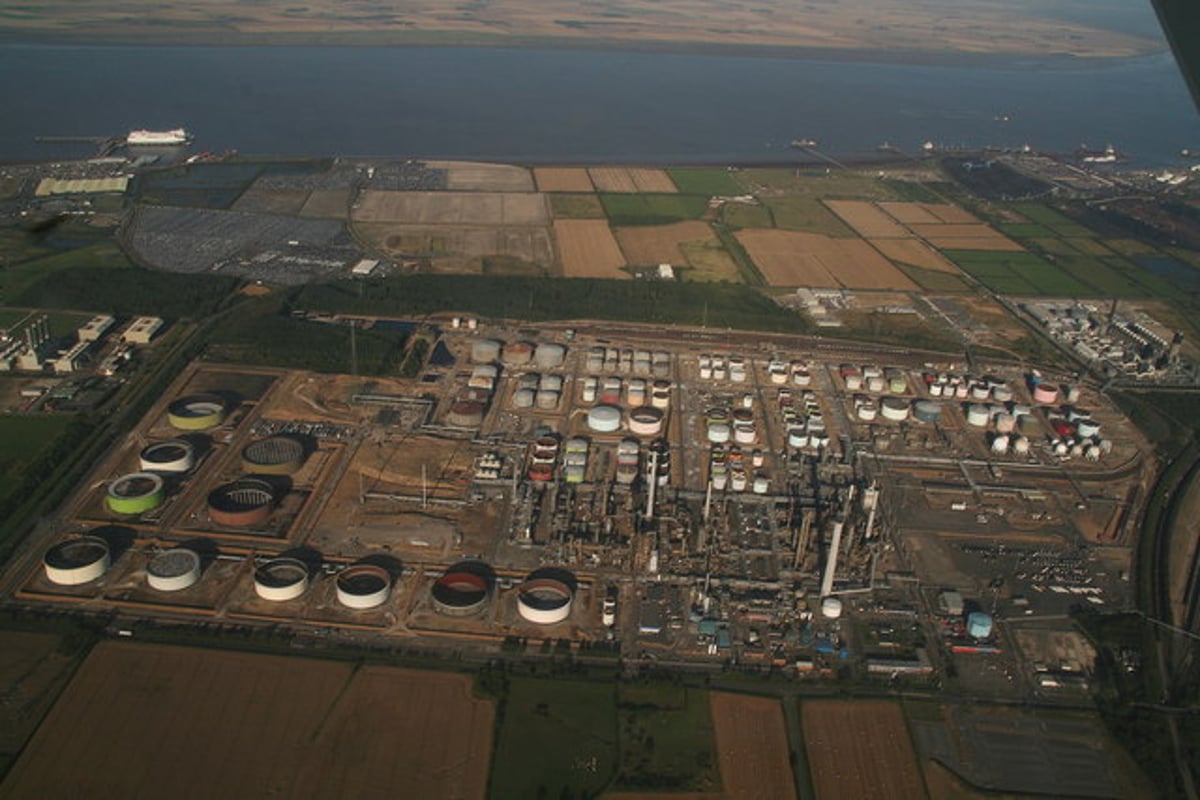
Illustrative photo: Chris / CC BY-SA 2.0