Criminals can rack up 100,000 hryvnias in debt by intercepting mobile numbers
Fraudsters use mobile number interception schemes to gain access to bank accounts and take out loans in other people's names. Ukrainians abroad who have not used their Ukrainian SIM cards for a long time are particularly vulnerable to SIM-swap attacks. This was reported by Minfin citing На пенсии, according to the portal PromPolitInform.
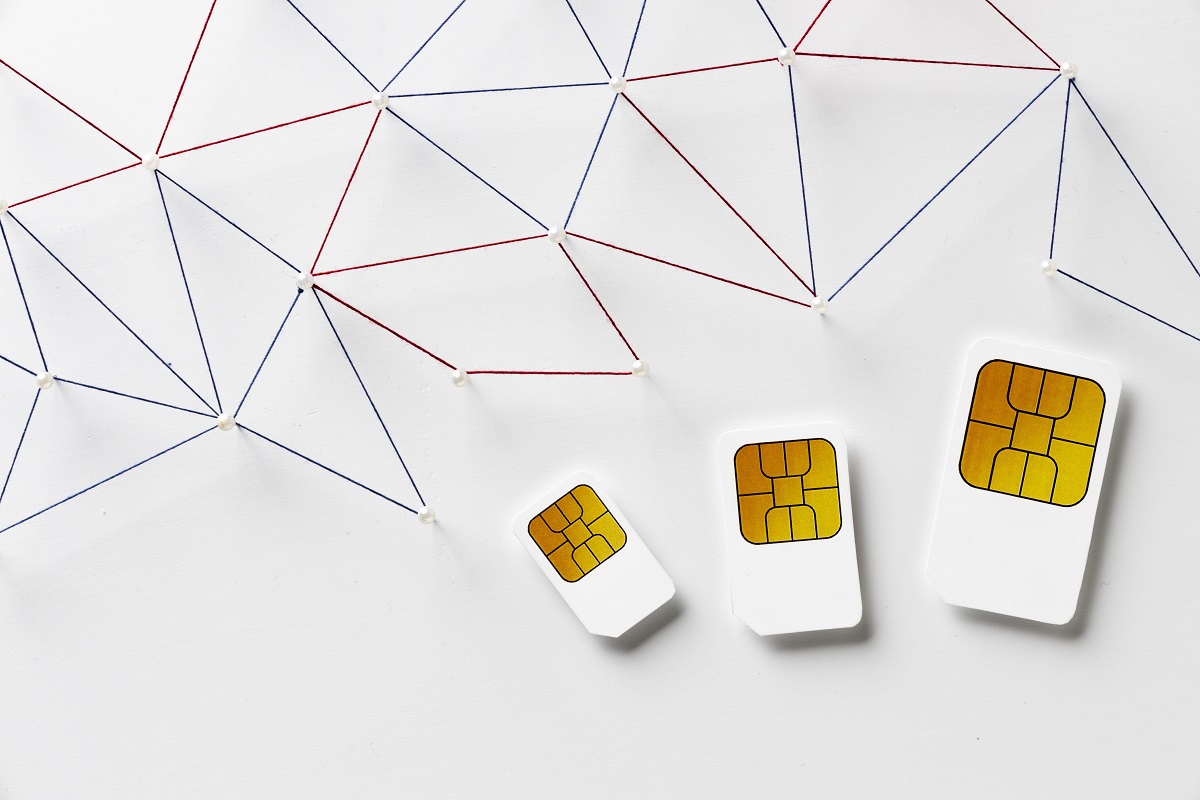
The SIM-swap technology involves illegal seizure of a phone number through reissuance or transferring it to another SIM card or eSIM. As a result of such interference, the owner’s original card is deactivated, and the attackers gain the ability to intercept incoming calls and SMS messages, which is critical for passing verification in banking systems.
Another common method is the purchase by mobile operators of numbers that were cancelled due to long-term inactivity, followed by their resale. If the former user did not remove this number from their profiles in banks or government services in time, the new owner may attempt to restore access to someone else’s accounts using standard identification procedures.
Threat to financial security
Having control over an subscriber’s number, attackers are able to change passwords for internet banking or apply for microloans. Experts note that the amount of one such fraudulent loan usually varies from 3,000 to 15,000 hryvnias, but due to applications to several financial institutions, the total debt per person can reach 100,000 hryvnias.
Citizens who are outside Ukraine and do not use local numbers fall into a high-risk zone. The cancellation of a number due to inactivity over a certain period leads to the user losing connection with services, while their personal data may remain linked to the “empty” number.
Protection of personal data
To minimize threats, the Cyberpolice advises performing personal registration of the SIM card to one’s passport via the Diia app or BankID systems. An important step is to contact the mobile operator with a request to set a ban on remote card replacement or switching to eSIM.
Specialists also emphasize the need to set strong passwords for accessing the subscriber’s account and to use two-factor authentication. In case of a sudden loss of mobile connection, it is necessary to immediately contact the operator to check the status of the card and contact the bank to block financial transactions.
Photo: Minfin