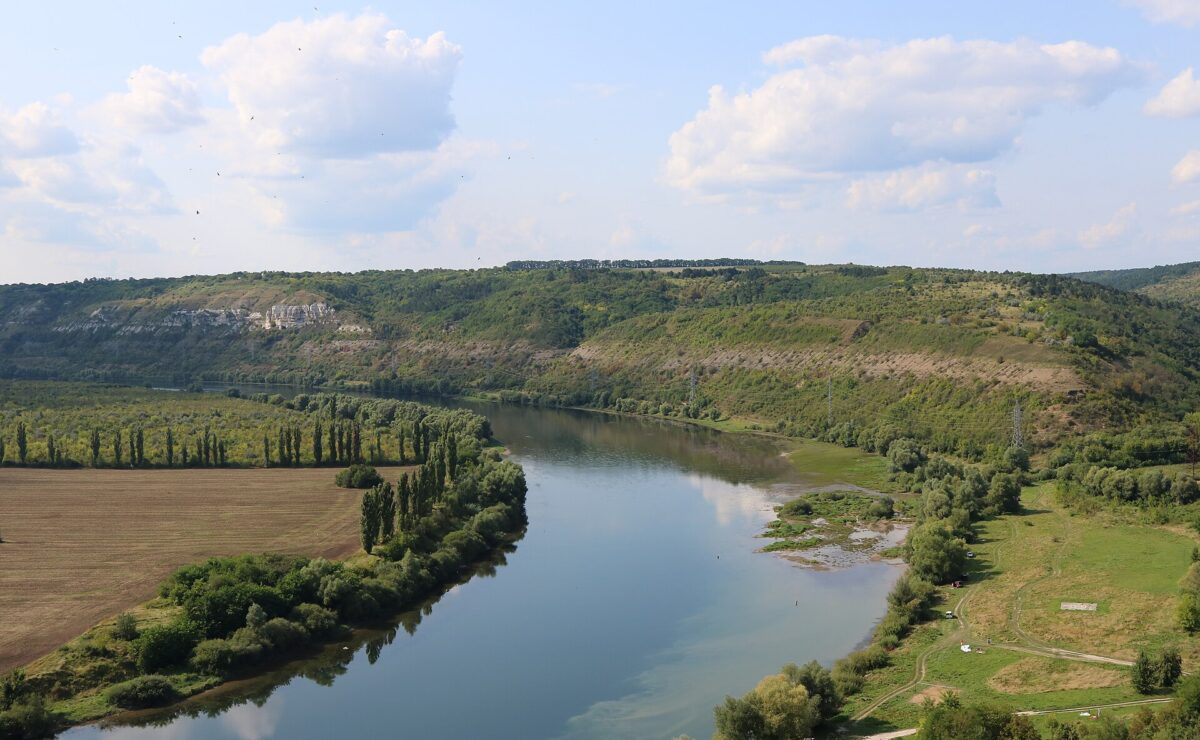
Russian strikes on Ukrainian energy infrastructure have long since transcended the bounds of a purely internal Ukrainian crisis. The destruction of hydroelectric and generating capacities exerts direct cross-border pressure on neighboring states, creating long-term environmental and economic challenges for the region. Pollution of the Dniester River basin following spring attacks on a Ukrainian hydroelectric power plant has demonstrated how directly Moldova’s security depends on the stability of the Ukrainian energy grid.
The authorities of the Republic of Moldova, in cooperation with international experts, have calculated the financial outcome of this cross-border crisis. A report from the National Crisis Management Center states that the total damage and expenses for cleaning up the oil product leak amounted to approximately 46 million lei, or 2.33 million euros. Although the Russian attack did not damage residential buildings or industrial facilities within Moldova, the incident created a massive humanitarian crisis, leaving about 100,000 citizens without potable water.
Chisinau’s million-euro costs and the threat to cities
The brunt of the environmental disaster fell on the northern districts of the republic, specifically the city of Balti and the Soroca district. Due to the inability to safely draw water from the Dniester, local authorities were forced to halt education in schools and kindergartens. The crisis center’s report details the structure of expenditures: the lion’s share, specifically 1.8 million euros, was allocated for emergency response and mitigating the risks of the slick spreading, 724,000 euros for environmental protection measures, 329,000 euros for alternative water supply, and 97,000 euros for healthcare needs.
Oil slicks on the water’s surface were spotted as early as March 10 near the border village of Naslavcea, forcing the Moldovan government to declare an environmental alert on March 15, involving military personnel and specialists from Ukraine and Romania. As stated by Moldova’s Minister of Environment, Sergiu Lazarencu, total damage to the natural environment exceeds 455 million lei, leading Chisinau to prepare a lawsuit against the aggressor state. In turn, the Prosecutor General’s Office of Moldova has already opened a criminal case regarding the pollution of water resources.
Energy terror and new attacks on power facilities
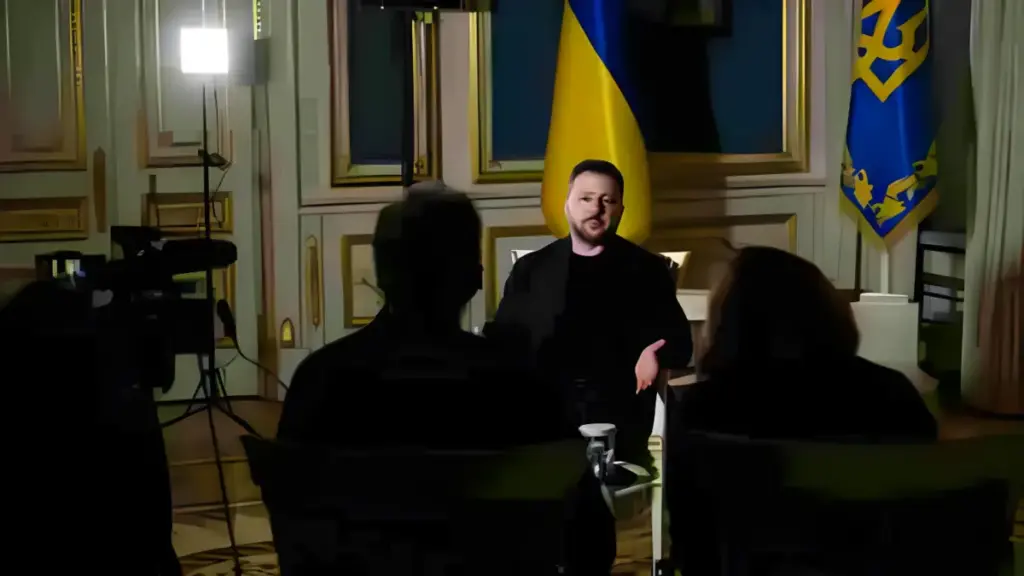
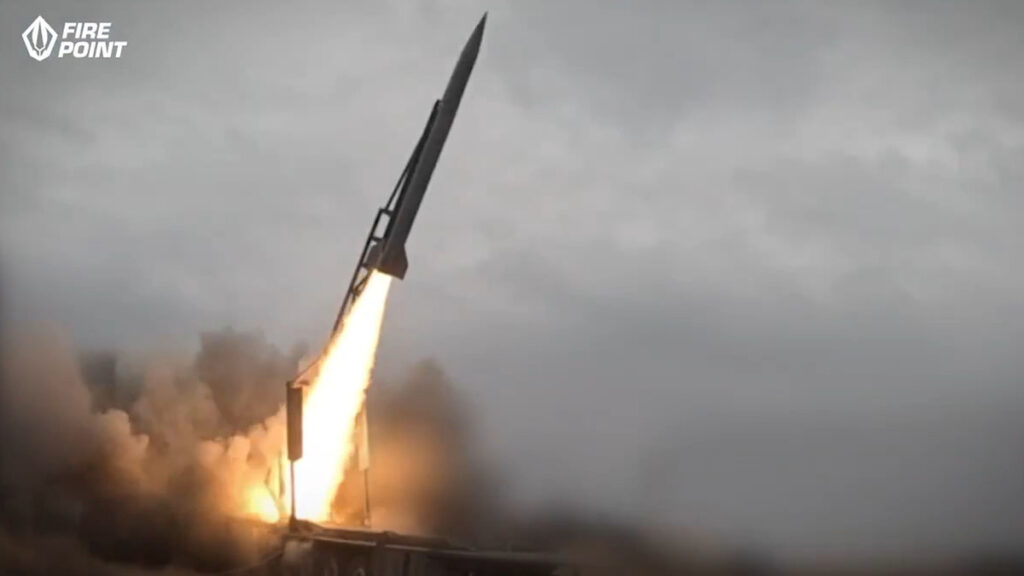
Such environmental catastrophes are a side effect, yet a systemic consequence, of Russia’s methodical destruction of basic infrastructure. Ukrainian President Volodymyr Zelenskyy reported on the latest escalation, stating that over 15 power generation and transmission facilities were damaged during the most recent combined attack. According to him, the aggressor launched more than 320 Shahed drones, as well as ballistic and cruise missiles, at Ukrainian cities and networks, causing critical outages in Vinnytsia, Lutsk, Rivne, Zhytomyr, Netishyn, and other cities.
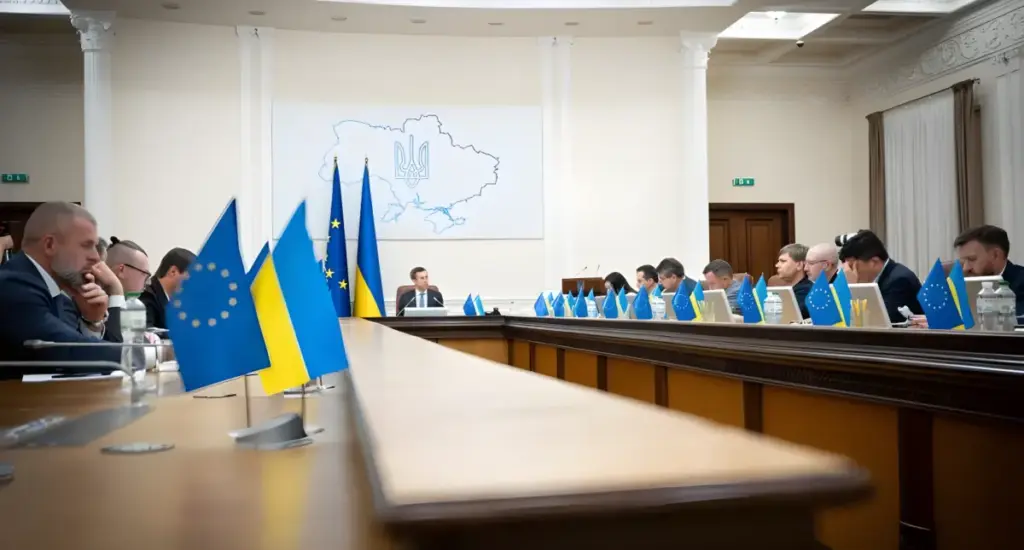
Amid regular strikes, the shared security and logistics space that countries have built over years is collapsing. Previously, Ukraine’s Deputy Prime Minister Volodymyr Kistion emphasized at a government meeting the strategic importance of connecting Ukraine and Moldova via the Dniester through the construction of the Yampil – Cosauti bridge crossing. This route was intended to form the shortest transport corridor from the Baltics to the Balkans, relieving the region of its dependence on outdated ferry crossings.
Now, instead of developing logistical arteries, Chisinau is forced to adapt to the risks of constant military proximity. A strategic action plan developed by experts for 2026–2031 no longer focuses on infrastructure expansion, but on establishing alternative water sources, upgrading water monitoring stations, and stockpiling oil spill response equipment. The environmental cost of shelling Ukrainian energy facilities is increasingly being felt by neighboring European capitals, prompting them to pursue legal and financial confrontation with the aggressor.
Illustrative photo: George Chernilevsky / CC BY 4.0
Read also: