New VAT and excise rules will take effect on January 1, 2029
The Cabinet of Ministers has approved a bill amending the Tax Code to adapt to EU standards. The document provides for new electricity taxation rules, which is a necessary condition for coupling with the European energy market. This was reported by UAprom citing Урядовий портал, according to the portal PromPolitInform.
The government bill aims to create conditions for the integration of the domestic energy system with the European one, known as market coupling. It is expected that the technical opportunity for such integration will open in the first quarter of 2029, so updating fiscal rules should ensure compliance with international requirements.
Updates to VAT rules
The document introduces the concepts of “taxable person” and “taxable dealer,” and provides for the creation of a relevant registry. The place of supply for the resource will be determined by the consumption point, while import operations are exempted from value-added tax.
A reverse charge mechanism for VAT is being implemented for electricity supply operations to professional dealers. Furthermore, sales and purchases at negative prices will be officially equated to energy supply for tax purposes.
Excise tax rates
The reform provides for a transition to European principles of setting excise taxes, calculated in euros per unit of production. The rate is set at 2.8 euros per megawatt-hour.
Clear definitions of the concepts of realization and final consumption of electricity have also been established. Algorithms for calculating tax liabilities and specific payment schedules have been fixed.
International obligations
The implementation of these changes is a mandatory prerequisite for receiving macro-financial support from the European Union. The regulatory act is being prepared for submission to the Verkhovna Rada for further voting and implementation.
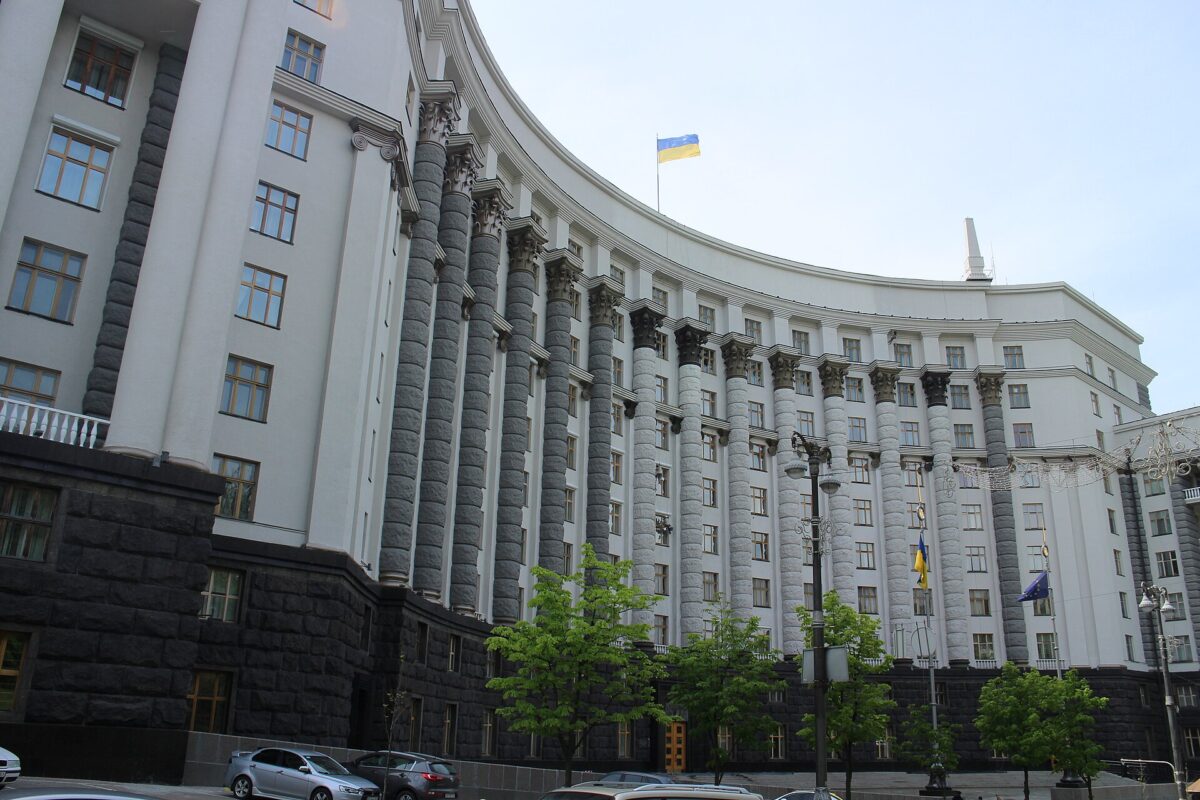
Illustrative photo: Suicasmo / CC BY-SA 4.0
Read also: Producer prices for industrial products in Ukraine fell by 2.8% in September 2026