Inflation to Rise to 12.5% in 2026, GDP to Contract by 0.4%
The National Bank of Ukraine published its October Inflation Report, projecting inflation to accelerate to 12.5% in 2026. By the end of 2027, the pace of price increases is expected to slow to 7.3%, and in 2028, it will return to the target level of 5%. This is reported by the portal PromPolitInform, citing information from the National Bank of Ukraine.
The forecast is based on Ukraine fulfilling its obligations under cooperation programs with international partners, which will ensure necessary financial support. Technical assumptions also include improved logistics from mid-2027 and a gradual reduction in security risks by the end of the forecast horizon. The analysis accounts for the consequences of damage already caused by Russian attacks, though risks of further losses remain high.
Macroeconomic Indicators
According to the regulator’s estimates, real GDP will contract by 0.4% this year. Modest growth of 0.4% is expected next year, and in 2028, the economy could accelerate to 2.2% driven by revived consumer demand and revived private investment. The consequences of large-scale destruction of production, energy, and logistics infrastructure will only be partially offset by increased fiscal stimulus.
Price Pressure and Rates
Consumer inflation is set to accelerate to 12.5% in 2026 due to rising fuel prices, infrastructure destruction, and expected expansion of budgetary stimulus. In 2027, inflationary pressure will gradually ease to 7.3%, and in 2028, to the target level of 5%. Monetary policy measures and slower wage growth will have a significant impact.
During July–October 2026, the NBU raised its key rate from 15% to 16.5% to maintain the attractiveness of hryvnia savings and limit pressure on the currency market. The regulator is ready to respond flexibly to shifts in risk distribution, considering the resilience of price pressure and the impact of weaker economic activity.
Labor Market
Labor demand from businesses has decreased, yet the overall shortage of labor persists due to mobilization and migration processes. Net population outflow in 2026–2027 is estimated at approximately 0.2 million people per year. In 2028, a net return of migrants (around 0.1 million people) is assumed as security risks decrease.
The structural labor shortage will support wage growth, though the pace will gradually slow. Real wages are expected to grow by 11.4% in 2026, with growth slowing to 4–5% per year in 2027–2028.
Budget and Reserves
The budget deficit, excluding grants, is projected to rise to around 35% of GDP in 2026 and 37% in 2027, before declining to 20% of GDP in 2028. International aid will remain the key source of financing: direct budget support of $50.2 billion is expected in 2026 and $52.4 billion in 2027.
Additional funds are planned under the defense component of the Ukraine Support Loan program: $32.2 billion this year and $37 billion next year. Thanks to international support, foreign reserves will exceed $62 billion by the end of 2026 and 2027, and stand at approximately $57 billion in 2028.
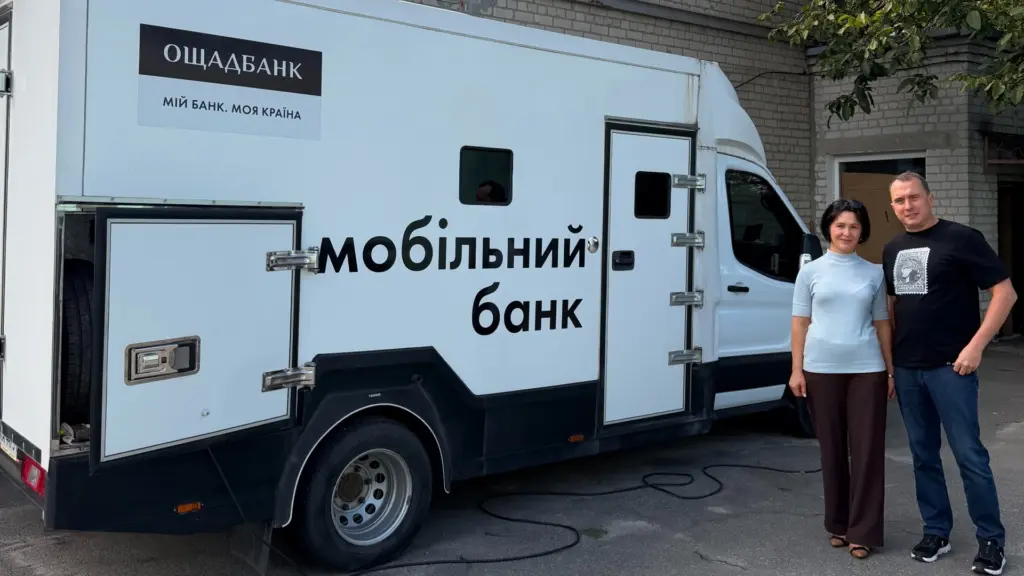
Photo: National Bank of Ukraine
Read also: Hryvnia begins to strengthen: NBU explains exchange rate fluctuations and cash situation