The cost of a barrel of Brent and WTI has been falling for several days due to expectations of unblocking routes
Oil prices for Brent and WTI benchmarks decreased by 0.5% amid negotiations between Iran and Qatar regarding control over the Strait of Hormuz. Investors are hopeful for a resumption of energy supplies, which had previously fallen to a quarter of pre-war levels. This was reported by Ukrinform citing Reuters, according to the portal PromPolitInform.
In electronic trading on Thursday, Brent crude futures lost 41 cents, falling to $87.43 per barrel. This decline in quotes has been continuing for four consecutive days. A similar trend is observed with US WTI crude, which fell by 37 cents to $81.86 per barrel, showing a negative trend for the fifth consecutive day.
Status of the Strait of Hormuz
An Iranian source reported that final details of an agreement with Oman regarding joint control over the key Persian Gulf shipping lane had been coordinated. This statement followed an announcement by the Islamic Revolutionary Guard Corps regarding a consensus on revenue distribution and the rules for using the water corridor. Currently, oil transportation volumes through the strait remain limited, as Iran previously took measures to effectively block it in response to regional events.
Daniel Hynes, a senior commodity strategist at ANZ, explained that the price drop is driven by market optimism regarding the possible reopening of the passage. At the same time, the expert emphasized that concerns regarding the physical shortage of energy resources remain. The Prime Minister of Qatar is expected to visit Tehran to continue diplomatic efforts to resolve the conflict, which has been ongoing for half a year.
Impact on the fuel market
The situation remains complex, as the parties’ positions on a ceasefire differ significantly. Iran continues to exert pressure by striking vessels in the gulf and demanding that the US fulfill the terms of a June agreement. Priyanka Sachdeva of Phillip Nova noted that the risks of prolonged uncertainty remain due to Iran’s nuclear ambitions and the strategic role of the Strait of Hormuz, which supports a high “war premium” in oil prices.
In parallel, the global market is affected by the situation with diesel fuel due to strikes on refineries in the conflict zone and on Russian plants, which has significantly reduced the export capabilities of suppliers. According to the US Energy Information Administration, distillate stocks fell by 2.2 million barrels to 103.4 million barrels. This is the lowest level for this time of year since records began.
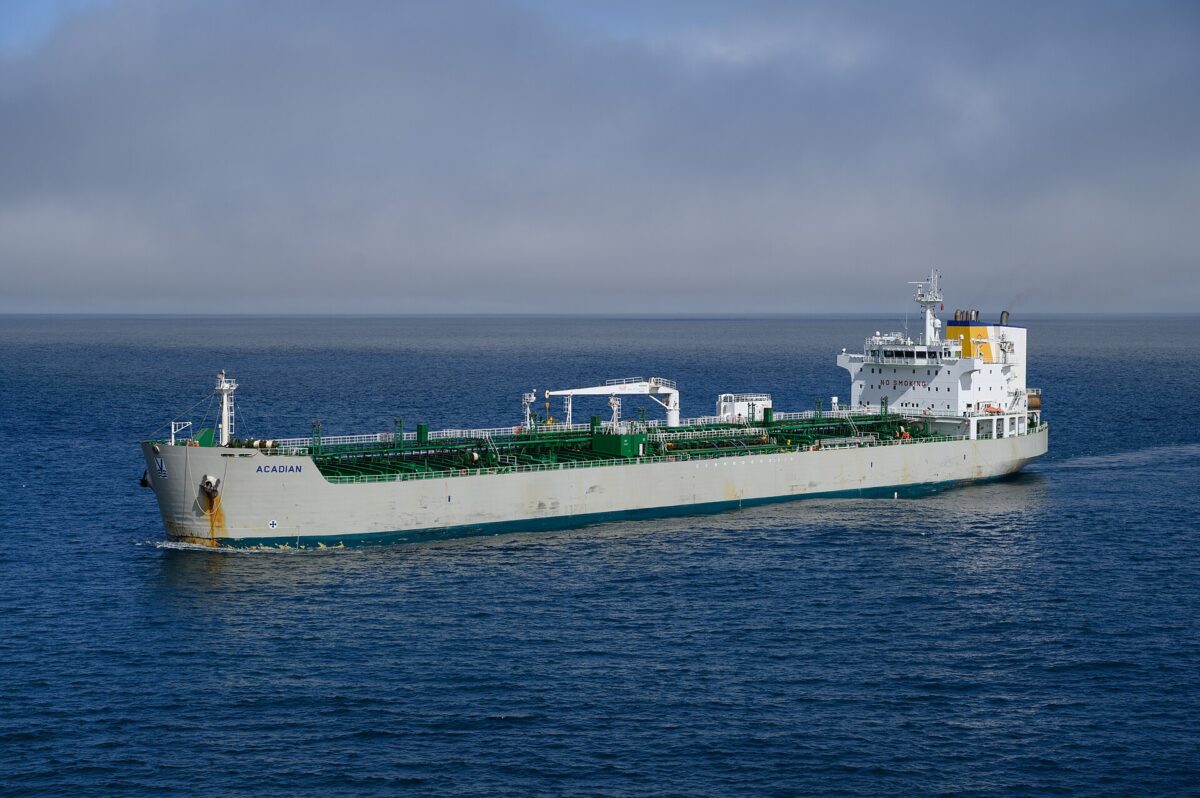
Illustrative photo: Gordon Leggett / CC BY-SA 4.0
Read also: Italy Secretly Approves €3B Air Defence Aid for Ukraine, Media Say