Engineers developed the strike ground robot prototype in less than six months
Units of the Defence Forces of Ukraine have begun combat testing of new strike ground robotic platforms equipped with assault rifles. The combat systems were developed according to technical requirements set by the Brave1 defence tech cluster and received grant funding. This is reported by the portal PromPolitInform, citing information from the Ministry of Defence of Ukraine.
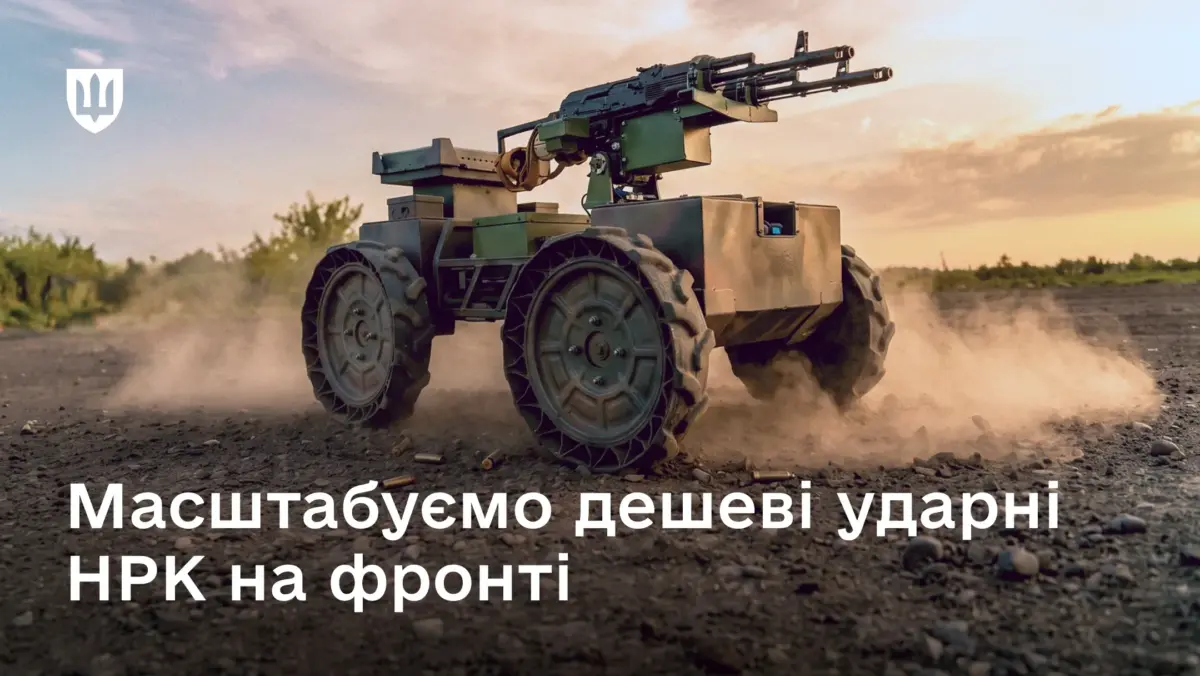
Ukrainian engineers progressed from concept to a completed prototype of the robotic turret in less than six months. Kalashnikov assault rifles, the most common infantry weapons in the military, serve as the primary armament for the new strike system.
Utilising standard assault rifles lowers production costs and allows for the rapid scaling of ground robotic deployment across the frontline. The primary objective of introducing these platforms is to minimize infantry presence in areas of direct fire contact with the enemy.
Design Features and Combat Trials
The new robotic platform is built on a four-wheeled chassis equipped with airless tyres and a protected hull. This design provides high manoeuvrability in challenging terrain alongside resistance to shrapnel, bullets, and punctures.
The weapon module features a dual turret capable of mounting two assault rifles simultaneously, significantly increasing fire density during assault and defensive operations. Furthermore, the turret module can be mounted onto other wheeled or tracked ground robotic chassis.
Several military units are currently testing these systems under operational conditions. Specialists from Special Operations Center A of the Security Service of Ukraine have confirmed successful engagements using the turrets against enemy drone ambushes.
Since the beginning of 2026, various types of ground robotic platforms have completed over 100,000 operational tasks on the frontline in place of Ukrainian military personnel.
Photo: Ministry of Defence of Ukraine
Read also: Ground robotic complexes carried out over 100,000 missions on the frontline in 2026