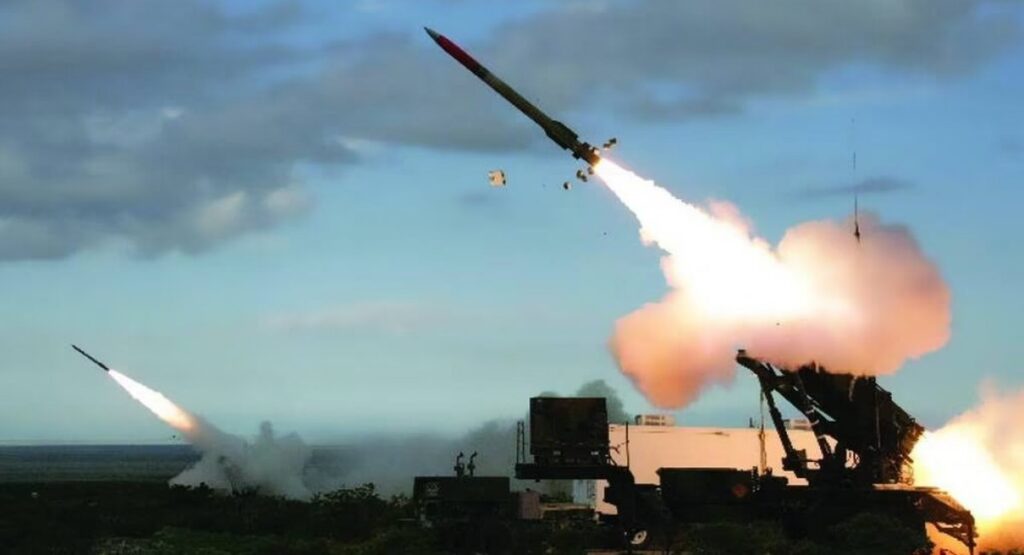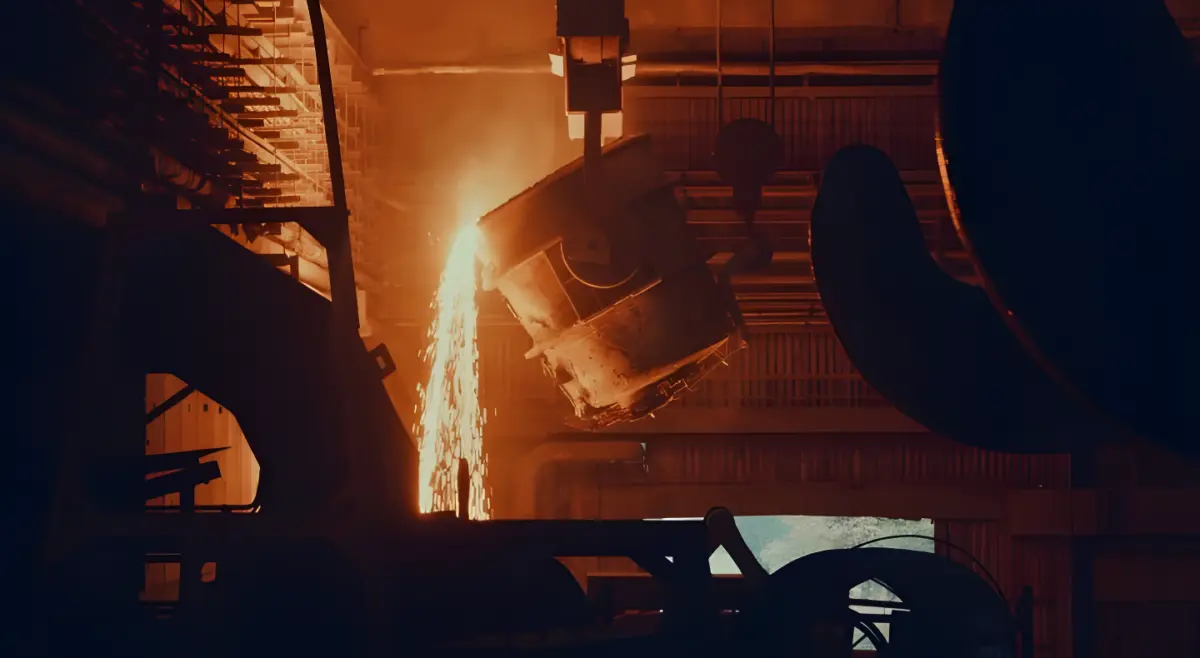
Russian attacks have brought Ukraine’s metallurgical industry to a near-standstill: about 90% of steel production is offline, and in a worst-case scenario, economic losses could reach 6.5–7% of GDP. Security, workforce retention, and stable logistics remain the key conditions for the industry’s recovery. This is reported by Forbes Ukraine, as cited by DS and the PromPolitInform portal.
Since the beginning of 2026, Russia has attacked key mining and metals enterprises at least 30 times. Seven blast furnaces have been hit or destroyed, and 18 workers have been killed. “We are currently smelting neither steel nor pig iron,” Oleksandr Kalenkov, president of Ukrmetallurgprom, told the publication.
Oleksandr Vodoviz, head of the CEO’s office at Metinvest Group, noted that there was a week in September when Ukraine did not produce a single tonne of steel for the first time in 100 years. “The situation in the metallurgical industry is catastrophic. We can only plan operations a month in advance,” he said.
In 2025, the mining and metals sector generated $6.2 billion in exports and accounted for 5.5% of Ukraine’s GDP. According to Forbes estimates, in a worst-case scenario, the negative economic impact could reach 6.5–7% of GDP, as the crisis in the metals industry would also affect a range of related sectors.
According to Kalenkov, a single job in the mining and metals sector generates 7.5–8 jobs in related industries. Consequently, the consequences of a shutdown extend to transport, energy, machine building, repair services, and logistics.
A distinct risk is the decline in iron ore exports: alternative routes—bypassing sea lanes—allow for the shipment of only up to half of previous volumes. “The loss of iron ore exports means a loss of $1 billion in foreign currency revenue annually—from ore alone,” Oleksandr Syryk, CEO of Metals Consulting International, told the publication.
Plant shutdowns are already taking a toll on cities as well. In 2025, ArcelorMittal Kryvyi Rih paid UAH 8.5 billion in taxes and fees, with UAH 2.6 billion going to local budgets. Metinvest’s enterprises in Zaporizhzhia paid nearly UAH 1.6 billion in the first half of 2026. Thus, social risks are also at stake, as city budgets would lose the ability to fund certain services, such as free public transport.
Overall, Ukrmetalurgprom estimates that a shutdown of the mining and metals sector could cost Ukraine $5–7 billion in foreign currency revenue and at least UAH 30–40 billion in budget receipts. Thus, the main issue right now is not just repairing the plants, but also retaining the workforce and preserving production capacity.
“Until there is some clarity regarding safety, it will be difficult to talk about resuming production,” said Kalenkov.
AMKR is currently negotiating with the Office of the President on how to overcome the crisis. Key issues include worker safety, the company’s future operating model, potential downtime or staff layoffs, and tax matters. Meanwhile, Ukrainian, European, and global trade unions are urging that AMKR workers not be laid off but instead placed on paid downtime. Statements from IndustriALL and IndustriAll Europe emphasize that retaining skilled personnel following Russian attacks is essential for the company’s future recovery.