The Alliance considers long-range strikes on targets in Kaliningrad and Belarus
The North Atlantic Treaty Organization has developed a new defense concept in the event of a potential Russian attack, which involves striking military targets on Russian and Belarusian territory. This was stated by Supreme Allied Commander Europe Alexus Grynkewich. This was reported by Glavcom citing The Wall Street Journal, according to the portal PromPolitInform.
The new strategy of the Alliance is aimed at early halting of the offensive and preventing the expansion of hostilities. The plan provides for strikes against enemy command posts and air defense systems.
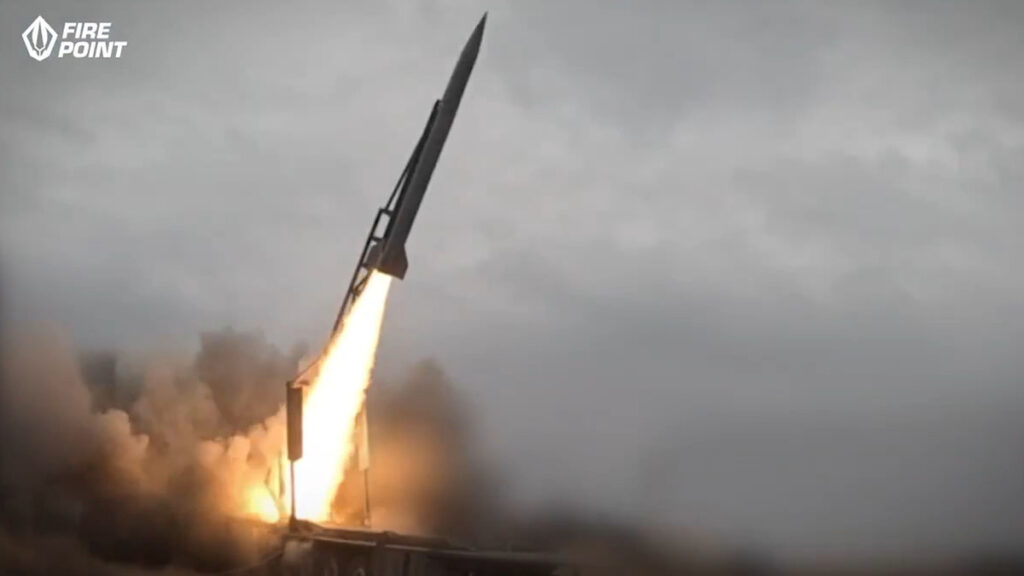
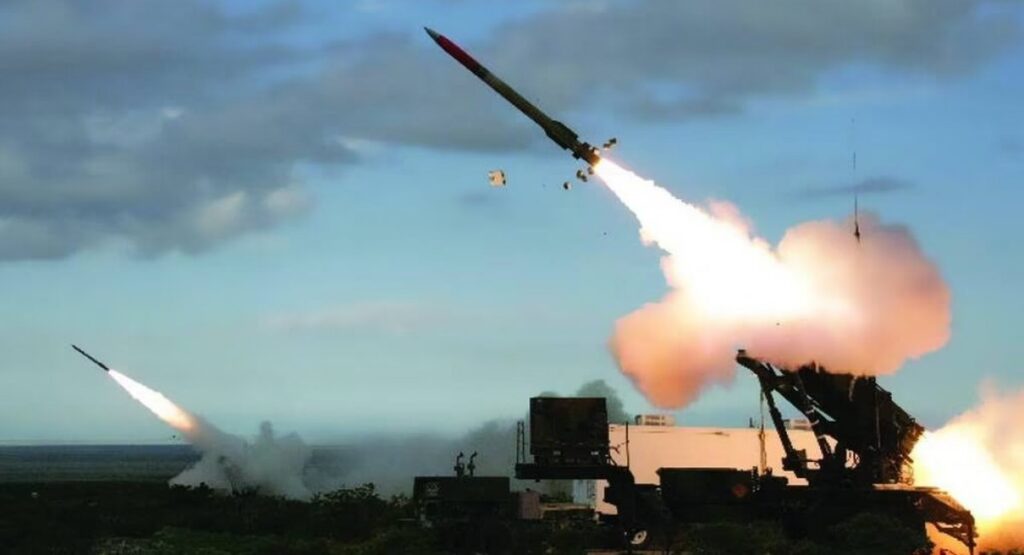
In the event of further escalation, the military command is considering the possibility of using long-range weapons. Potential targets under threat could include facilities near St. Petersburg, in the Kaliningrad region, and on the territory of Belarus.
Weakening enemy air defense should provide aviation with greater freedom of action against offensive forces. At the same time, striking logistics should complicate the deployment of Russian reinforcements to the combat area.
The authors of the document emphasize the defensive nature of these measures in the event of aggression against the member states. Achieving these objectives excludes any independent initiation of offensive actions by the allies against Moscow.
A separate element of the strategy involves the creation of an autonomous deterrence zone using unmanned aerial vehicles. Ground robotic systems will perform tasks in the most dangerous sectors without direct military personnel involvement.
The deployment of such platforms should reduce personnel casualties during the initial phase and delay the enemy. Afterwards, the allies plan to engage ground units to conduct further operations.
To exchange intelligence data between different countries, a special cloud infrastructure is being established. Certain elements of this network have already been tested during operations in the Middle East.
The acquired experience will help improve coordination between aviation and ground forces during joint mission execution. The defense strategy was officially named the Eastern Flank Deterrence Initiative.
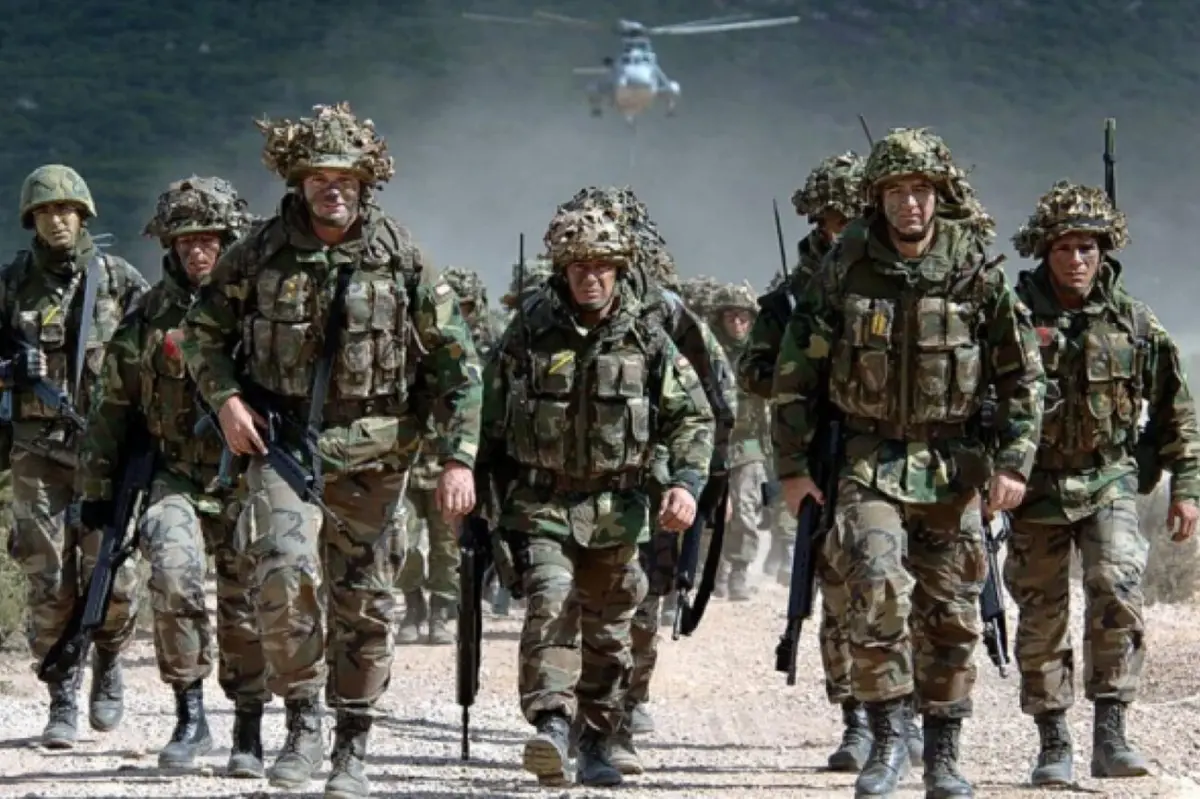
Photo: Glavcom
Read also: Andrius Kubilius proposes integrating Ukrainian defense developments into EU system