Businesses should prepare detailed product parameters to decide between a consolidated cargo or a full container
When importing goods from China, Ukrainian entrepreneurs should consider shipment volumes and transportation specifics to choose between LCL and FCL formats. Proper preparation of cargo data is essential for receiving a substantiated commercial proposal. This was reported by USM — ports and shipping, according to the portal PromPolitInform.
Sea freight conditions for goods from China involve two primary formats: LCL (Less than Container Load) and FCL (Full Container Load). The optimal choice depends not only on freight costs but also on the physical characteristics of the batch, delivery schedules, and the required scope of logistics services.
Logistics Format Features
The LCL format allows for the consolidation of goods from multiple shippers into a single container. This is an optimal solution for smaller orders where filling an entire container is economically inefficient.
The FCL option involves chartering a separate container for a single recipient. The container does not necessarily need to be fully packed; the feasibility of this choice is determined by the ratio of weight, volume, and product specifications.
Cargo Data for Shipping Calculation
The ordering company should provide detailed information about the product: its name, value, dimensions, and weight of each packaging unit. Special attention must be paid to the presence of hazardous components, such as liquids or batteries, as these require specific transport conditions.
It is important to consider whether cargo stacking is permitted and if additional protective packaging is required. If the product is still in production, preliminary data must be recorded and updated once final packaging is complete.
Route Planning and Deadlines
The request should clearly specify geographic points: the supplier’s address in the PRC and the final destination in Ukraine. It is also important to agree on the need for additional operations, such as cargo pickup from the manufacturer’s warehouse, consolidation from multiple suppliers, or additional logistics services at the destination.
Specifying the availability date along with the desired arrival date helps avoid delivery schedule issues. LCL and FCL designations do not guarantee specific delivery times, so deadlines must be agreed upon individually.
Comparing Offers
To correctly choose a logistics provider, one must compare the full list of included services. It should be clarified whether customs clearance, terminal handling, and inland delivery are included in the price.
Insurance and liability issues in case of damage should be addressed before dispatch. A transparent comparison of offers with identical service scopes helps avoid hidden costs during sea transit.
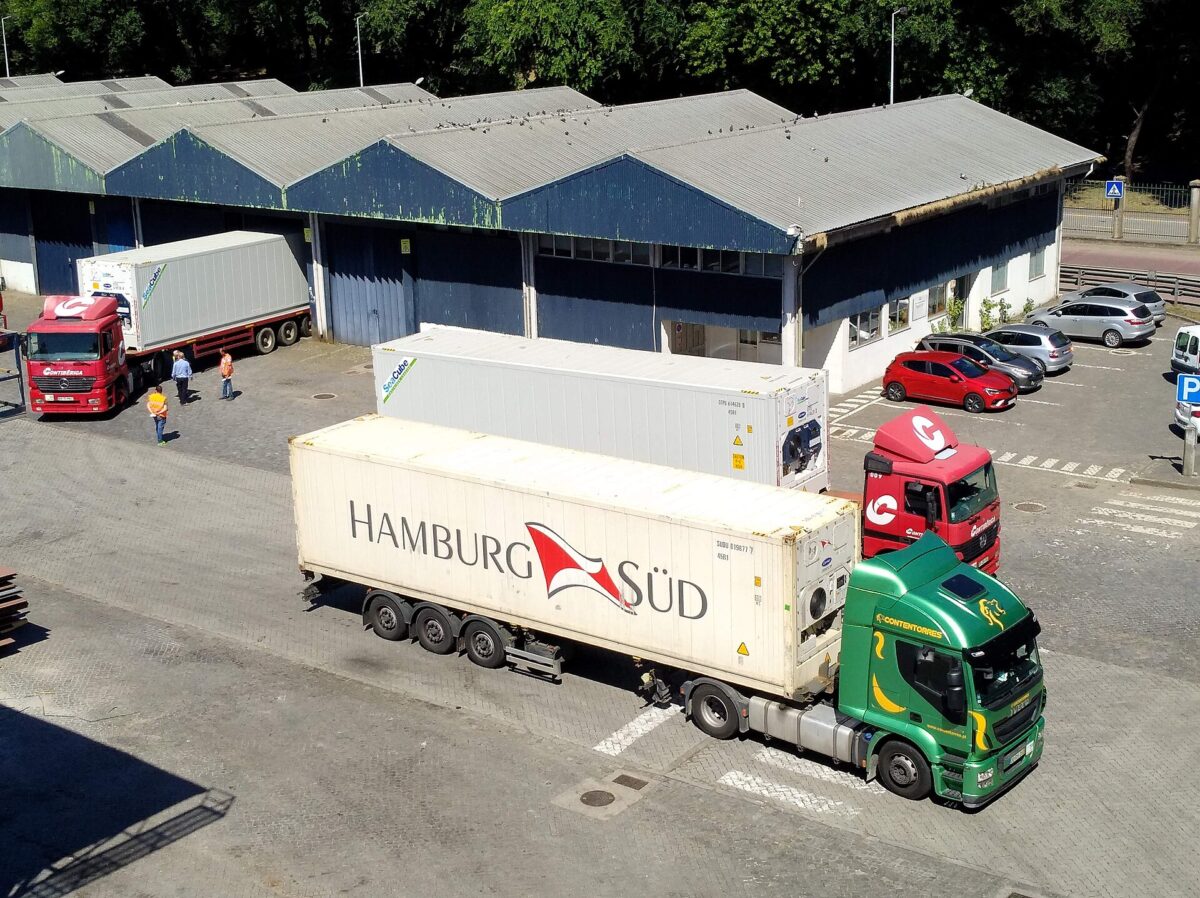
Illustrative photo: TrainLearnGrow / CC BY-SA 4.0
Read also: Russia Expands Target Range to Border Infrastructure with EU Countries