Rail freight volume could drop from 161 million tonnes in 2025 to 127 million in 2026
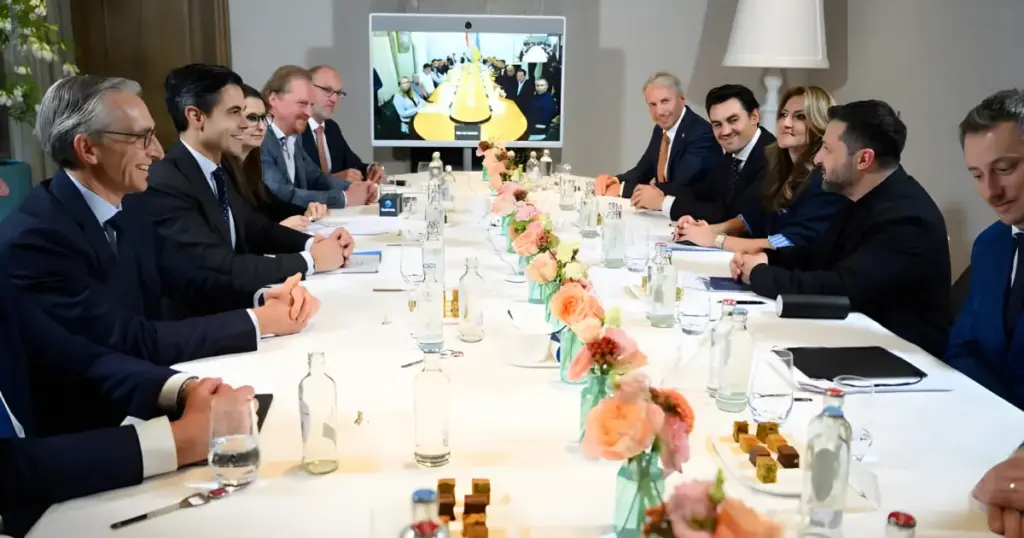
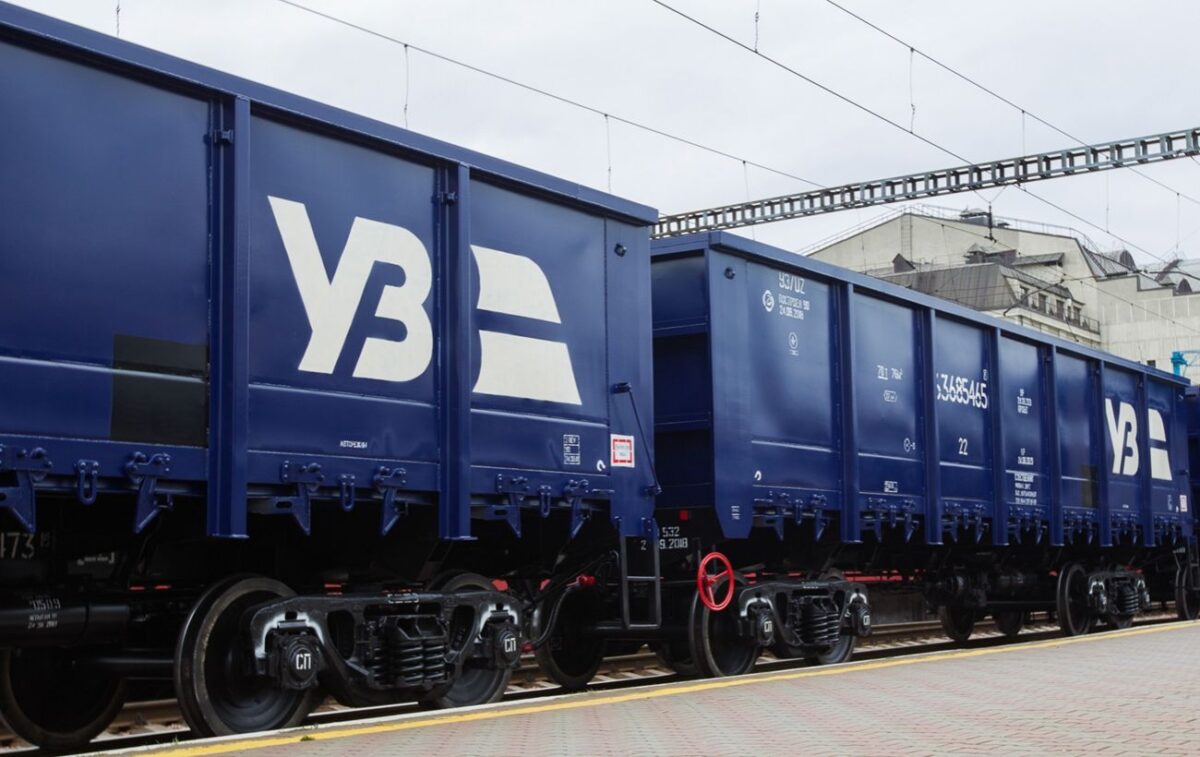
Industrial companies and trade associations have opposed plans by Ukrzaliznytsia to raise freight tariffs by another 15% starting January 1, 2027. Business representatives demand a moratorium on any further rate increases until the end of martial law. This was reported by RBC-Ukraine (Сергій Новіков), according to the portal PromPolitInform.
During an expert discussion on Ukrzaliznytsia’s freight base and financial model, experts from the Centre for Transport Strategies presented transport volume projections. They estimate rail freight transport could decline from 161 million tonnes in 2025 to 127 million tonnes in 2026. The forecast for 2027 stands at 149 million tonnes.
Further rate increases could trigger additional freight traffic losses as many enterprises operate on the brink of profitability. Ksenia Orynchak, executive director of NADPU, noted that logistics now accounts for 40-60% of production costs for some companies. Consequently, only 35 out of roughly 100 construction sector quarries remain operational.
Crisis in Ferroalloy and Metallurgy Sectors
Severe conditions are also reported in ferroalloy manufacturing. Dmytro Mishchenko, representing Zaporizhzhia Ferroalloy Plant, stressed that the plant is on the brink of closure, while its primary customers — AMKR, Zaporizhstal, and Dniprosteel — have suspended operations.
Metinvest reported that Northern and Central Mining and Processing Plants are currently operating at around 50% capacity. This is compounded by a roughly 30% drop in global iron ore prices alongside rising transport expenses. Furthermore, sea port blockades caused Metinvest’s processing plants to lose about 1.5 million tonnes of monthly seaborne exports previously moved by rail.
Alternative Funding Options for Ukrzaliznytsia
Market participants insist that resolving rail funding shortfalls solely by imposing higher tariffs on industry is unsustainable. Alternatives include securing international funding through joint programs with the World Bank, EBRD, and other institutions, as well as covering war losses via foreign sources.
Internal cost optimization measures include reducing redundant infrastructure, reviewing staffing levels, increasing mechanization, and curbing cross-subsidization of passenger services from freight revenue. Industry representatives called for returning freight tariffs to early 2026 levels and freezing them until the end of martial law.
Ukrzaliznytsia previously hiked freight tariffs by 30%. According to Ukrpromzovnishekspertyza, that decision risks cutting annual GDP by UAH 96 billion, reducing export revenues by USD 2.4 billion, and lowering state tax receipts by UAH 36 billion.
Photo: RBC-Ukraine