Most leading universities in the rf are recruiting students to sign contracts with the ministry of defence. Recruitment efforts are often accompanied by promises of rapid service completion or career benefits. This was reported by The Moscow Times citing Novaya Gazeta Europe, according to the portal PromPolitInform.
Nearly 95% of the most prestigious higher education institutions in the rf are involving youth in the armed forces. The main focus of recruitment is drone operators, with almost half of these universities introducing specialized educational programs for combat training.
System of coercion and manipulation in educational institutions
In universities such as HSE and RANEPA, young people are being persuaded to join volunteer formations like BARS for rear-area security. Medical universities, such as SPbSPMU, are attempting to recruit students and residents, while KFU promotes the possibility of deployment to Africa. Human rights activists emphasize that no such special conditions for foreign missions exist, meaning recruits risk ending up on the frontline in Ukraine.
Recruitment methods range from open advertising on official resources to direct pressure within campuses. Students are promised financial rewards, academic leave, or transfers to tuition-free spots after completing their contract term. Some institutions, such as Plekhanov Russian University of Economics, NSTU, and RSHU, have set quantitative quotas, obligating administration to recruit a specific number of individuals monthly.
Training personnel for war instead of academic education
Universities have begun actively transforming their curriculum, replacing core subjects with courses on drone operation. At Bauman Moscow State Technical University, graduates are threatened with the withholding of diplomas for refusing to attend competence centers, while at other institutions like MEPhI or Gubkin University, practical training in drone assembly and operation has become mandatory.
Despite official rhetoric from the authorities, employers in the rf are not eager to hire combat veterans. Human rights activists warn that the signed contract is a standard agreement with the Russian ministry of defence, providing no real security guarantees or the opportunity to choose a narrow specialization, such as working exclusively in the rear.
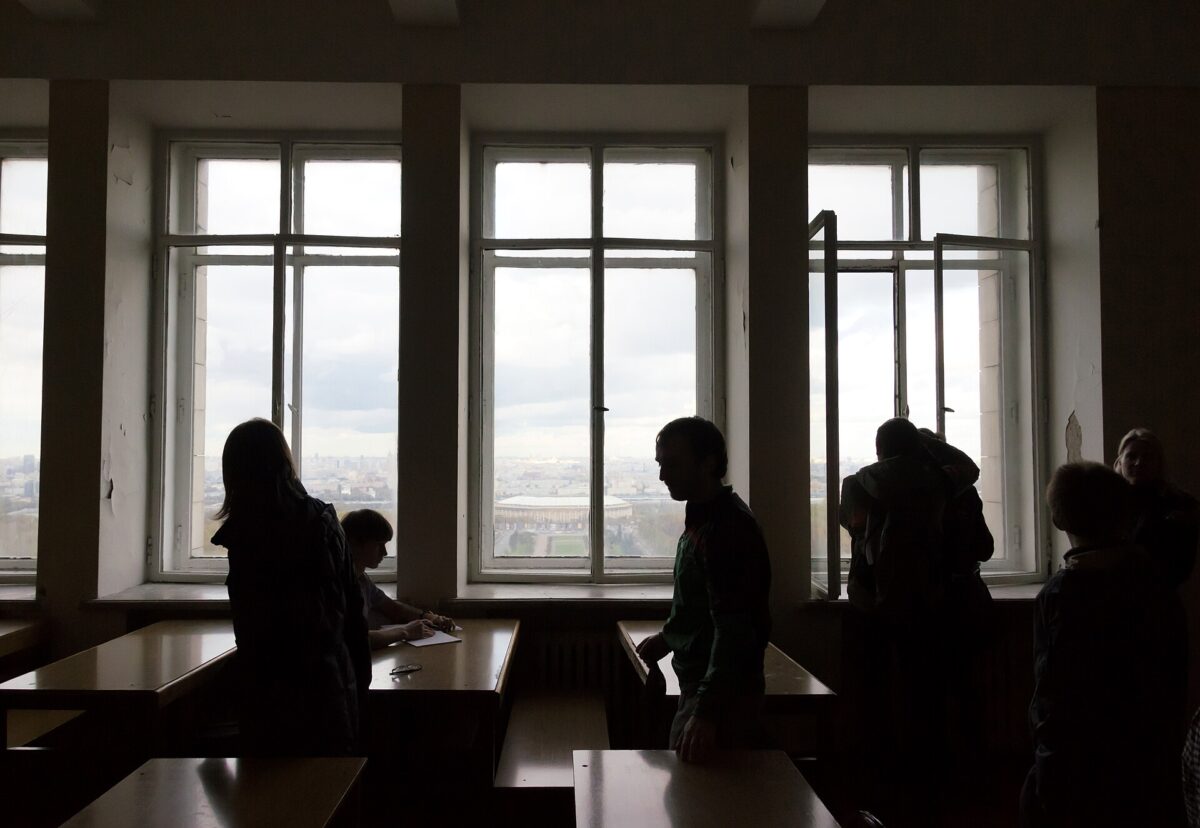
Illustrative photo: Vyacheslav Argenberg / CC BY 4.0
Read also: On the Orikhiv front, the Defence Forces neutralized an enemy UAV during energy workers’ operations