Schengen zone countries issued over 680,000 visas to Russians last year
The European Union must stop the mass issuance of tourist visas to Russians and establish an effective mechanism to ban entry for former Russian military personnel. This is necessary to strengthen security amid an increase in acts of sabotage across European nations. This was reported by Ukrinform, according to the portal PromPolitInform.
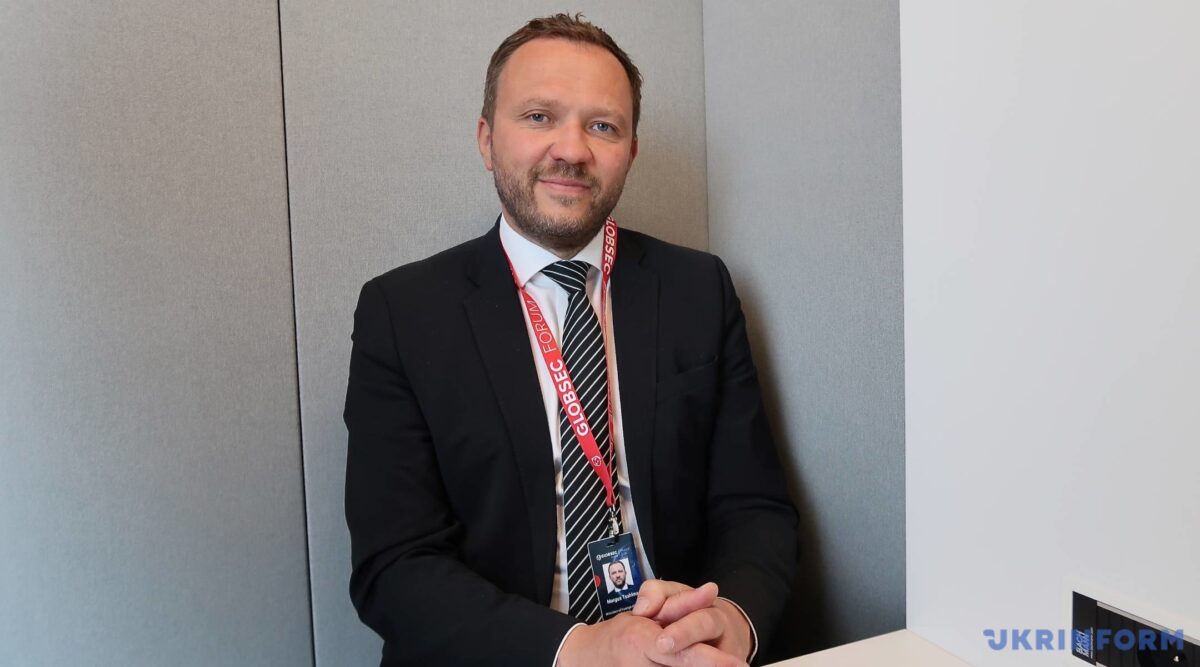
During a meeting of European Union foreign ministers in Luxembourg, Estonian Foreign Minister Margus Tsahkna emphasized the need for significant restrictions on visa access for citizens of the rf. According to his estimates, the Schengen zone issued 680,000 entry permits to Russian tourists last year, creating serious security risks for the region.
Countering Russian sabotage
The Estonian side insists on implementing a sanctions regime against individuals who have directly participated in armed aggression against Ukraine. The European Commission is already working on this initiative, seeking legal instruments to block the entry of potentially dangerous citizens of the rf into EU territory.
Margus Tsahkna stressed that during the full-scale invasion, approximately 650,000 Russian soldiers gained combat experience. Following the end of hostilities, there is a threat of these individuals infiltrating European states, where some may operate under the cover of rf intelligence services.
Security threats to Europe
The Minister drew attention to the rise in sabotage acts and destabilization attempts linked to Russian influence in European countries. According to the Estonian Foreign Minister, discussing new visa restrictions is a critical step to protect the borders of the European Union from hybrid threats.
Final proposals for introducing updated visa restrictions for citizens of the rf are expected to be presented in January. The issue remains a key item on the agenda of the EU Foreign Affairs Council due to the need for a consolidated response from member states.
Photo: Ukrinform
Read also: Kim Jong Un vows to expand ties with Russia and backs Moscow’s war