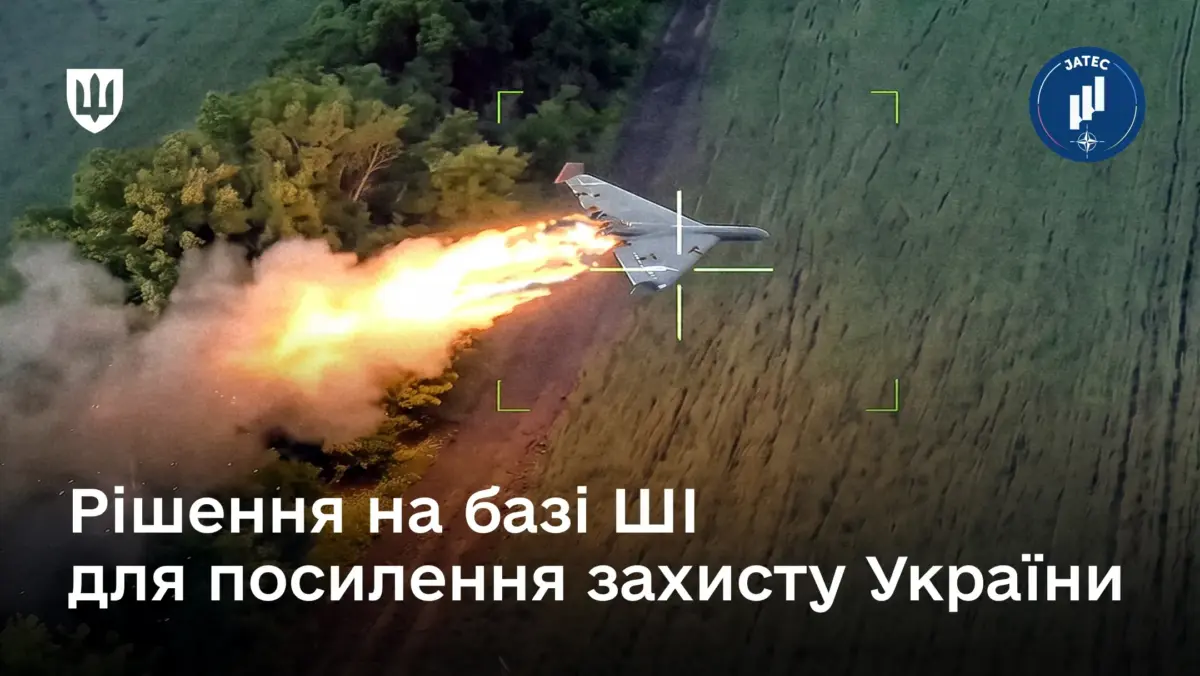
The joint JATEC center unveiled two tools in Vilnius to automate staff processes for the Defence Forces
The NATO-Ukraine Joint Analysis, Training and Education Centre (JATEC) has developed two artificial intelligence models for the Armed Forces of Ukraine. The solutions are designed to forecast enemy drone activities and optimize the planning of artillery operations. This is reported by the portal PromPolitInform, citing information from the Ministry of Defence of Ukraine.
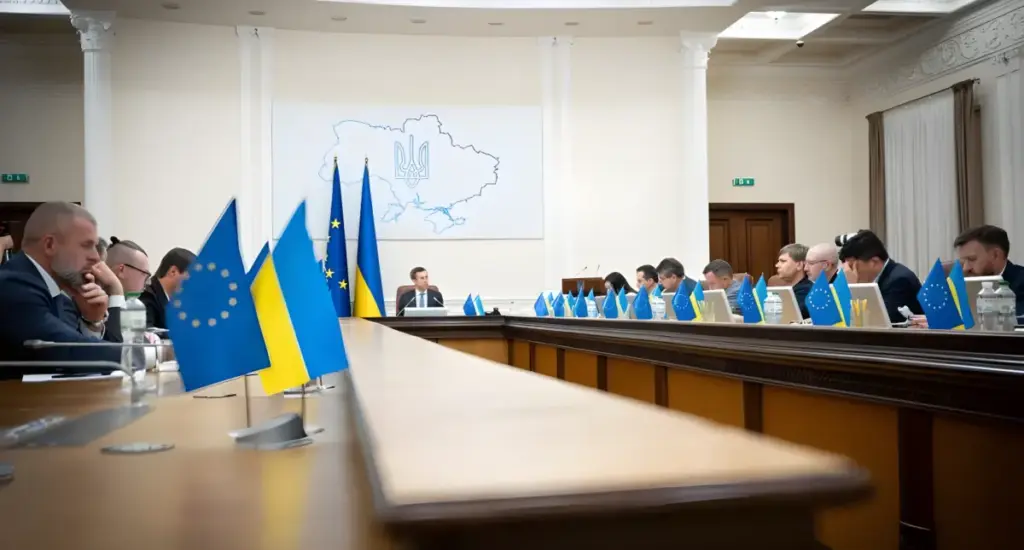
The developments, codenamed “Model No. 13” and “Model No. 32”, were created through the efforts of the NATO Allied Command Transformation (ACT) and the Armed Forces of Ukraine, with the direct participation of JATEC. The presentation of the new tools took place during a three-day expert seminar in Vilnius, attended by Alliance representatives and Ukrainian Defence Forces specialists.
Predicting enemy attacks
“Model No. 13” is designed to analyze the activity of Russian unmanned aerial vehicles near the frontline. Based on collected data, weather conditions, and the current situation on the battlefield, the system accurately determines regions, intensity, timeframes, and types of enemy UAVs. The technology has already passed testing on real datasets and is ready for integration into Ukrainian situational awareness systems.
Automating artillery operations
The second development, “Model No. 32”, acts as a decision support module for artillery units. The algorithm takes into account available weapon systems, ammunition, firing position locations, and tactical mission constraints. Automating the generation of mission execution options allows for the filtering out of unfeasible plans during the logistics and ballistics calculation stage, leaving only the most effective options for command.
The implementation of such tools significantly reduces the time required for decision-making and eliminates the need for manual comparison of attack scenarios. Currently, the prototype has been handed over to Ukrainian customers for testing. In case of successful validation, the system will be scaled to other units involved in engaging the enemy with fire.
This cooperation is part of a broader initiative between Ukraine and NATO to deepen interaction in the field of IT solutions and machine learning technologies. Previously, the UK joined similar work within the framework of the Ukrainian Avengers Labs platform, allowing British defense companies to use real battlefield data to train their own AI models.
Photo: Ministry of Defence of Ukraine
Read also: Drones Strike Yandex Data Centre in Russia’s Vladimir Disrupting Over 80 Cloud Services