Freight turnover at southern Russian terminals has plunged by 100 percent
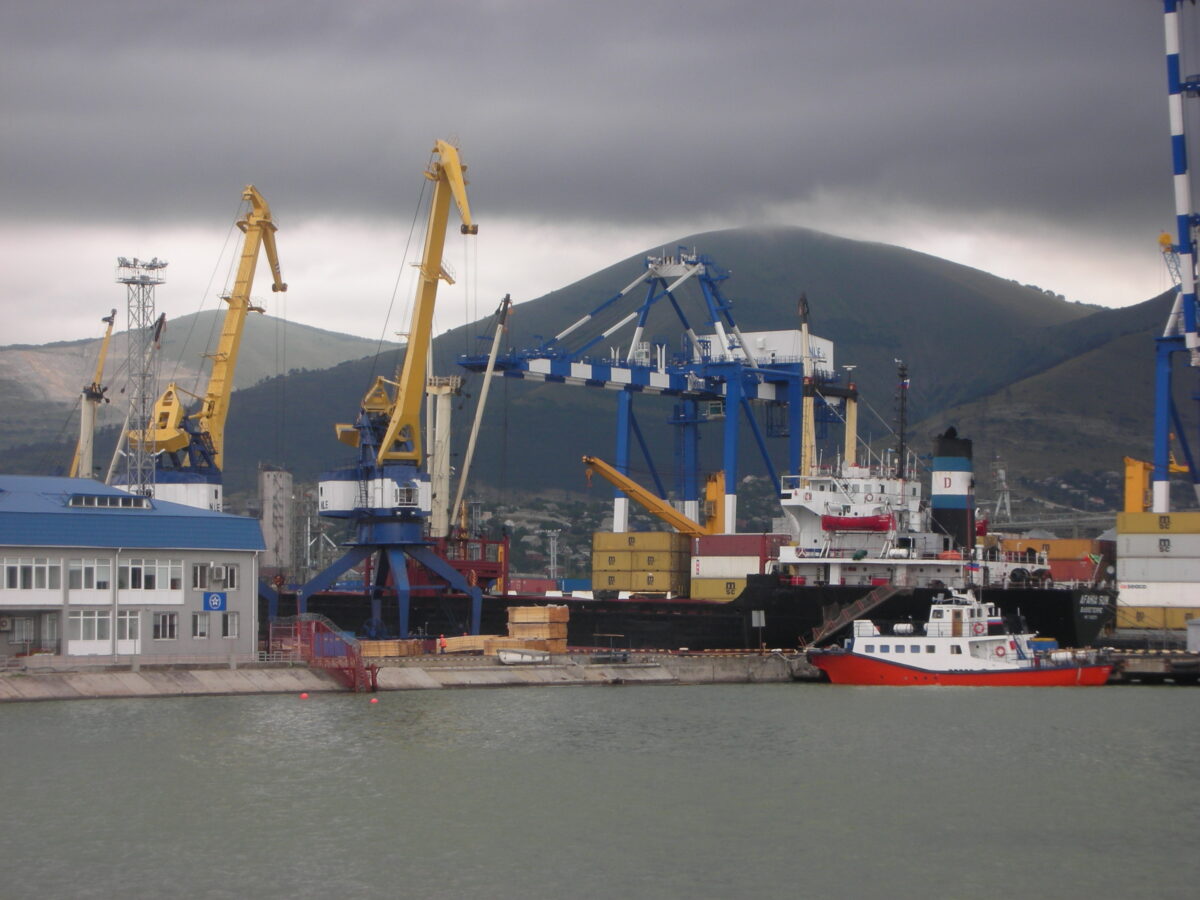
Regular drone strikes on port infrastructure in southern Russia have caused a massive halt to logistics operations in the Azov and Black seas. In September, the region’s ports faced a catastrophic drop in performance as cargo transshipment volumes fell by 95 to 100 percent, while passenger traffic decreased by 85 percent. Major facilities, including Novorossiysk, Taman, and Tuapse, are forced to massively lay off personnel or send workers on forced unpaid leave.
OTEKO, a company managing terminals in Taman, described the situation as extremely difficult. According to the entity, the total monthly losses of business and budgets at all levels exceed 200 billion rubles. Against this background, Krasnodar Krai Governor Venyamin Kondratyev appealed to Russian Deputy Prime Minister Dmitry Patrushev with an official request to introduce state support. The proposed measures include subsidies for wage payments, maintenance of berth infrastructure and warehouses, and compensation for utility and electricity costs.
Large-scale losses and state aid
Regional authorities also initiated a proposal to compensate for a portion of interest on loans to overcome cash gaps. In addition, discussions are underway to reimburse the costs of maintaining terminals in a state of readiness to resume operations once security restrictions are lifted. By order of Dmitry Patrushev, relevant agencies, including the Ministry of Transport, Ministry of Finance, Ministry of Agriculture, and Ministry of Economy, were tasked with working out the proposed steps. Earlier, the Association of Commercial Sea Ports put forward similar demands, insisting on the provision of VAT and corporate tax relief.
Industry representatives note that the total number of workers in the region is about 20,000 to 25,000 people. According to expert estimates, paying basic salaries to personnel will cost the state from 6.6 to 8 billion rubles a year. Representatives of OTEKO warn that without urgent assistance, infrastructure and personnel will have to be recreated from scratch after the hostilities end. This will significantly complicate the export of coal, metals, oil products, and grain, which serve as the basis for the economic stability of the Russian Federation.
A mirror of logistic blockade
Meanwhile, the Russian defense department reported on further forceful measures along maritime routes and in water areas. According to the Ministry of Defence of the Russian Federation, strikes were allegedly delivered against five cargo vessels, three of which were located in the Danube port of Reni, while another two were heading to Odesa. The occupation side claims that these vessels and related port infrastructure facilities were allegedly used for military purposes. Any independent confirmation of such reports in international sources is currently lacking.
Such geopolitical realities contrast with previous periods of relative stability in Ukrainian logistics. Thus, according to the Ukrainian Sea Ports Authority, in May 2024 the freight turnover of Ukrainian sea ports reached 8.265 million tonnes, which was almost double the figures of the previous year. At that time, the main drivers were grain and ore, the volumes of which amounted to 5.3 million tonnes and 1.5 million tonnes respectively, demonstrating the resilience of the port sector despite wartime challenges.
Illustrative photo: bibikoff / Public domain
Read also: