The US is exploring the removal of barriers to Russian fertilizer exports following a deal on 1.8 million tons of diesel fuel
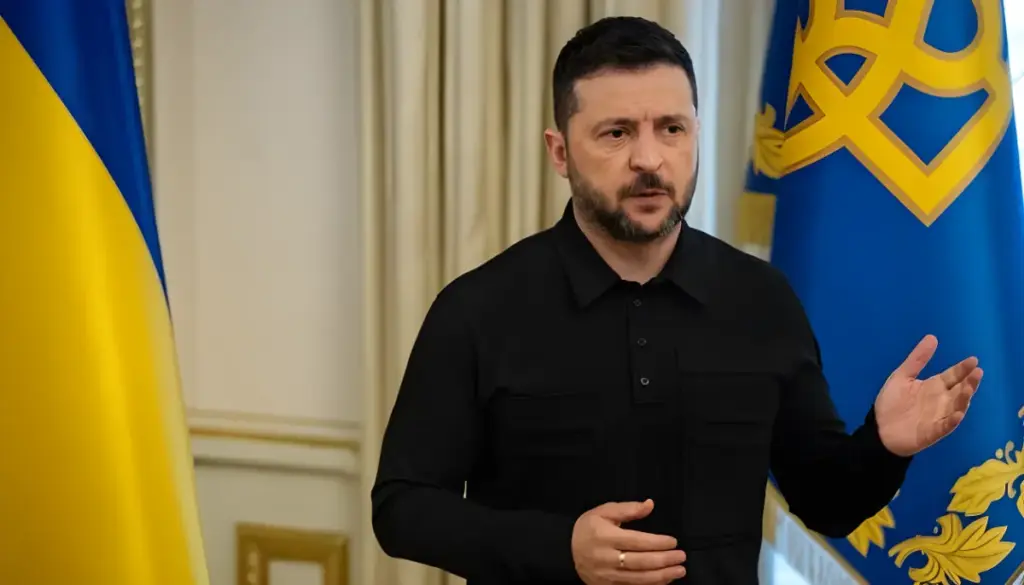
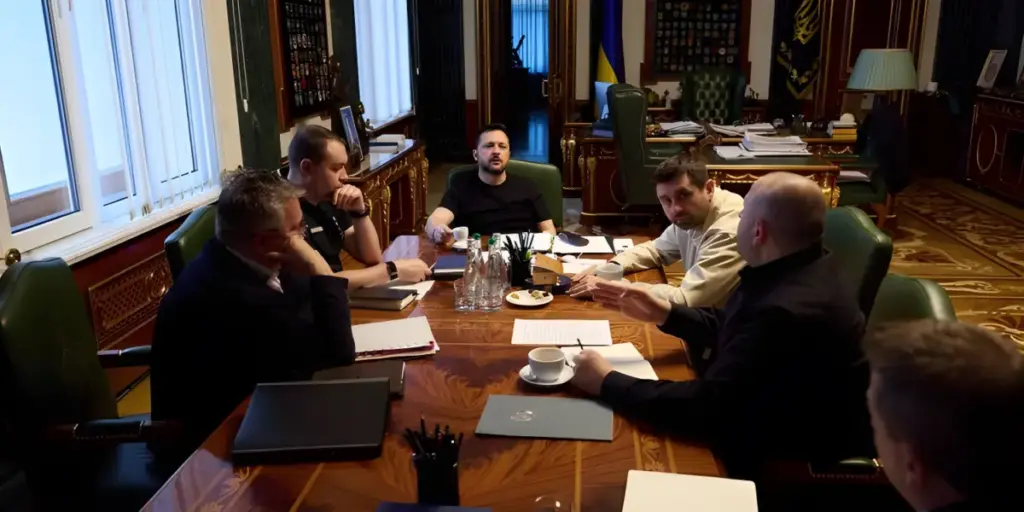
Attempts at a diplomatic resolution to the war are increasingly coming down to the cost of entering the negotiation process itself. President of Ukraine Volodymyr Zelenskyy, during contacts with US representatives, warned partners against prematurely lifting sanctions against the Russian Federation. As the head of state reported in his address, restrictive measures are the result of full-scale armed aggression and therefore cannot serve as payment merely for the Kremlin’s readiness to sit at the negotiating table.
According to the Ukrainian leader, abandoning current economic pressure on the eve of a possible trilateral summit will deprive diplomacy of key leverage. The main threat lies in the fact that there are no guarantees of the aggressor’s constructive behavior after the regime is softened, while restoring dozens of sanctions packages and reconsolidating a global coalition again would be extremely difficult due to a lack of resources and political will from partners.
Washington’s initiatives on fertilizers and fuel
Despite warnings from the Ukrainian side, the new American administration is looking for material incentives to draw Moscow into a dialogue. As US government and Senate officials told The Kyiv Independent, President Donald Trump’s team is considering the possibility of easing logistical, insurance, and banking restrictions for exporters of Russian mineral fertilizers. Although this sector is not formally under direct sanctions, the Kremlin has spent years demanding the removal of related obstacles, particularly during consultations on the Black Sea Grain Initiative, which Moscow exited in July 2023.
The practice of business compromises has already created tension in relations between allies following Trump’s October 9 announcement of an agreement to supply over 1.8 million tons of Russian diesel fuel. American lawmakers from the Democratic Party highlighted the risks of violating the 2022 Act to Stop Russian Oil Imports and have already warned business structures of potential legal consequences. However, Kyiv is concerned by the very trend where strategic concessions are made without reciprocal security steps.
Frozen assets and the Kremlin’s unchanging appetites
Volodymyr Zelenskyy sees a particular danger in losing control over financial instruments and the aggressor’s frozen assets even before consultations officially begin. He is convinced that such steps only encourage the Russian leadership to continue its offensive instead of seeking a lasting peace. Kyiv’s position remains pragmatic: Vladimir Putin’s agreement to a dialogue is not a guarantee that it will actually take place or produce results.
Doubts regarding the Kremlin’s readiness for compromise are confirmed by statements from the Russian leadership, where on October 22, Putin again called the territory of Ukraine “part of historical Russia.” Against this backdrop, rhetoric regarding potential negotiation venues in Abu Dhabi or European capitals looks more like a tactical game by Moscow, which is attempting to gain economic benefits before real discussions even begin.
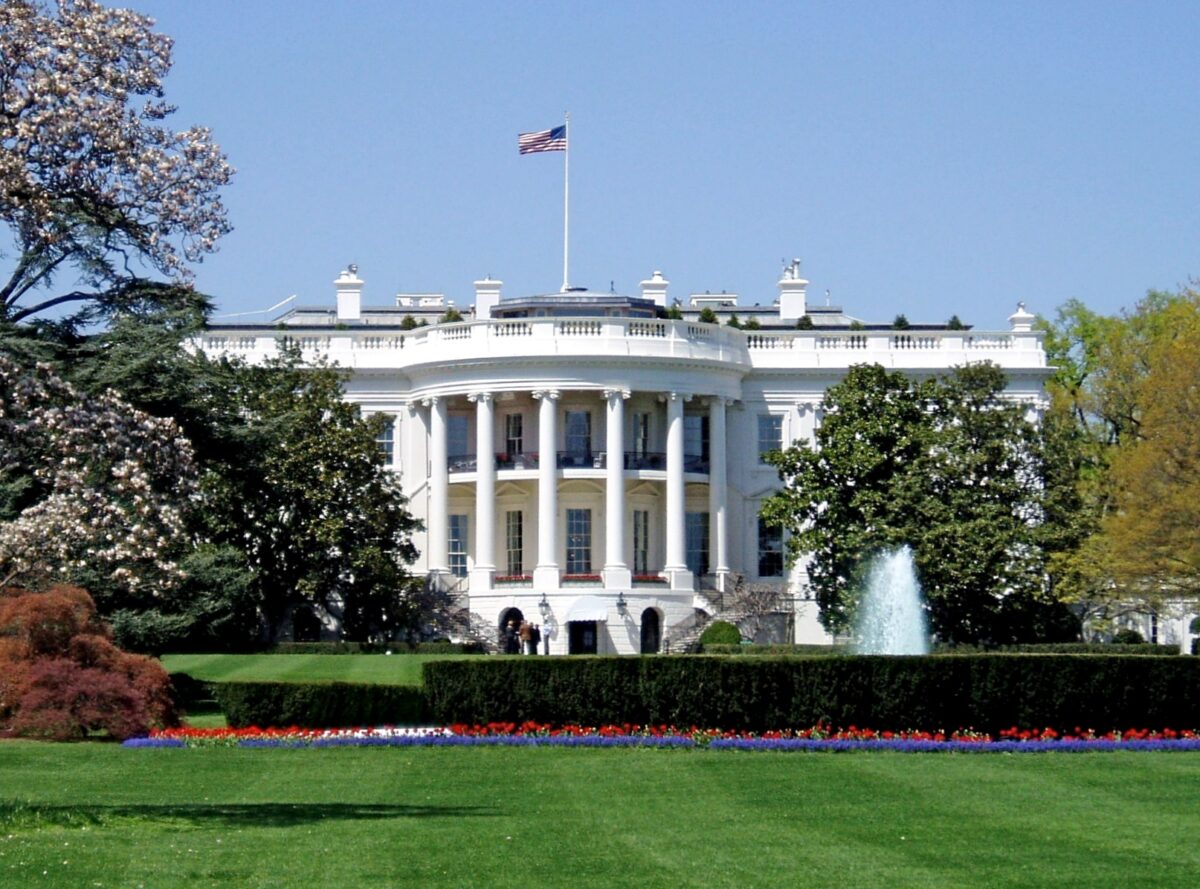
Illustrative photo: This image or media was taken or created by Matt H. Wade. To see his entire portfolio, click here.@thatmattwade This image is protected by copyright! If you would like to use it, please read this first. / CC BY-SA 3.0