Russian authorities are trying to avoid declaring a second mass mobilization due to heavy losses on the front lines in Ukraine. According to experts, the Russian army is losing about 30,000 troops a month in killed and wounded. This was reported by The Guardian, according to the portal PromPolitInform.
The war in Ukraine has lasted for nearly five years, during which the Russian command attempts to replenish army ranks. Voluntary recruitment is slowing down while front-line needs remain high amid the territorial ambitions of the Russian leadership.
Finding people willing to fight even for crazy money is getting much harder, says human rights activist Aleksei Tabalov. Putin last resorted to mobilization in September 2022, calling up 300,000 reservists.
Recruitment through pressure and coercion
Moscow has avoided another deeply unpopular call-up by relying largely on high paid voluntary contracts to fill the ranks. Russia recruits roughly 1,000 soldiers a day, mostly used to replenish depleted units.
Heavy losses mean Russia must continue finding new soldiers at a high rate. Lawyers and activists have documented increasingly coercive recruitment tactics in several regions.
Hunting for people in the regions
Authorities use deception, blackmail, violence, and threats to force men into signing contracts. Recruiters increasingly target socially marginalized men, including those with debts or criminal cases.
Much of the responsibility for finding soldiers has been pushed down to Russia’s regions. In the Penza region, relatives protested outside recruitment offices as men were driven away in vans.
Expanding sources of army replenishment
Students at universities and vocational schools have been encouraged to join newly formed drone units. Putin recently signed a law expanding the pool of convicted prisoners eligible to sign contracts with the army.
Fears that another call-up may be on the way have increasingly entered everyday conversations among Russians. Top Russian officials have dismissed reports of an impending call-up as nonsense.
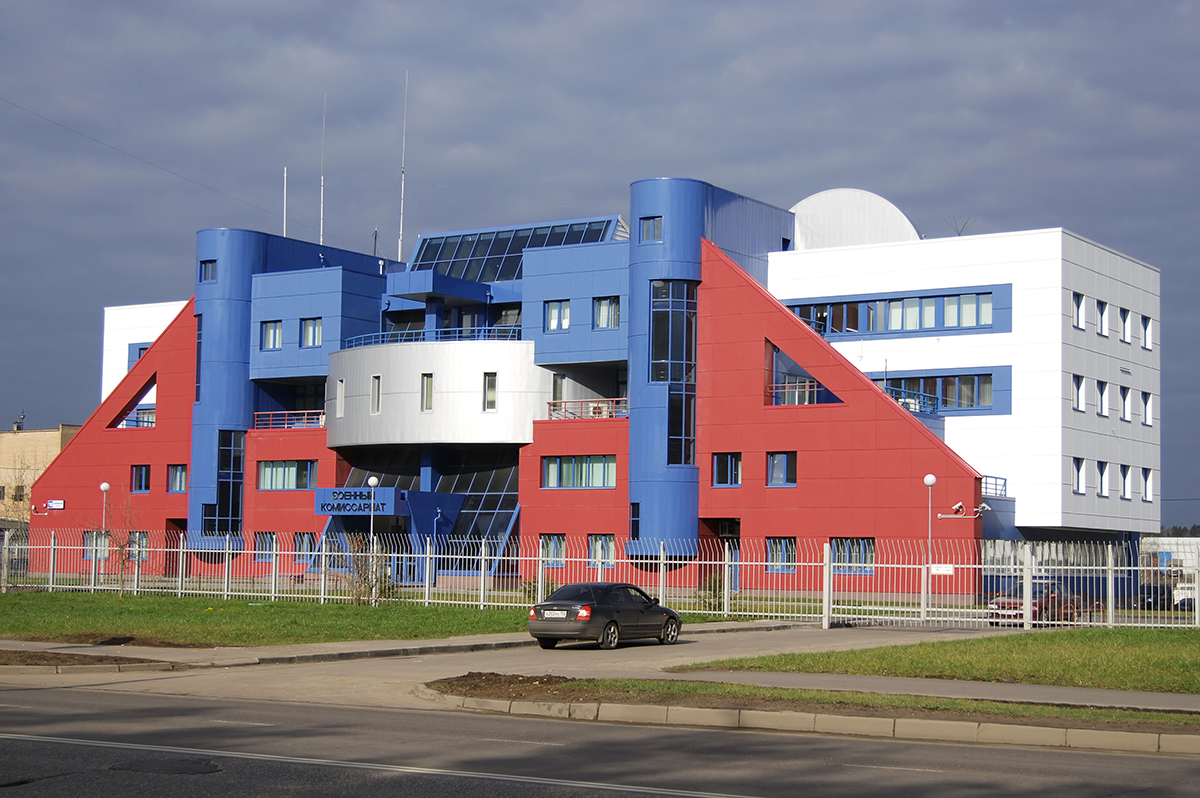
Illustrative photo: Aleksandr Markin / CC BY-SA 2.0
Read also: The Kremlin’s systemic miscalculations: why autocracy is losing stability