Protecting a large industrial facility costs owners at least 20 million hryvnias
Ukrainian enterprises are increasingly self-funding the protection of critical infrastructure from Russian attacks. As of mid-July 2026, 51 companies had received authorization to form private air defense units, although only four are currently conducting active combat duty. This was reported by Minfin citing Delo.ua, according to the portal PromPolitInform.
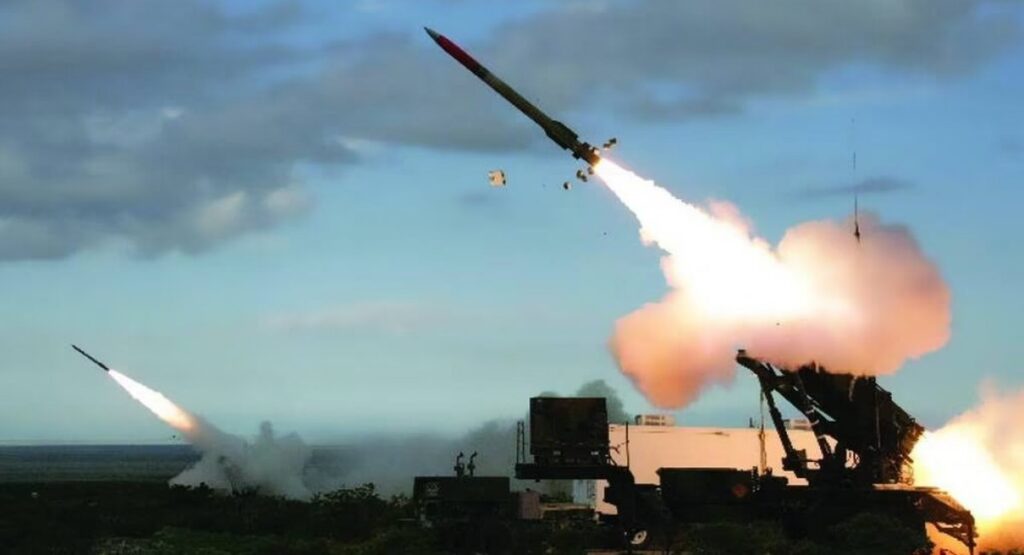
Within the framework of the state air defense system, private companies receive the status of an authorized enterprise. This permit from the Ministry of Defence of Ukraine grants the right to create internal air defense units. Businesses bear the costs of technical equipment and personnel maintenance, while control over combat weapon deployment, target identification, and sectors of responsibility remains exclusively with military command.
Cost of protecting facilities
According to experts, equipping a protection system for a large industrial site requires investments ranging from 250,000 to 500,000 US dollars. In hryvnia equivalent, the base cost of organizing security for a significant site starts at 20 million hryvnias. This amount excludes subsequent regular expenditures for specialist training, equipment maintenance, and ammunition replenishment.
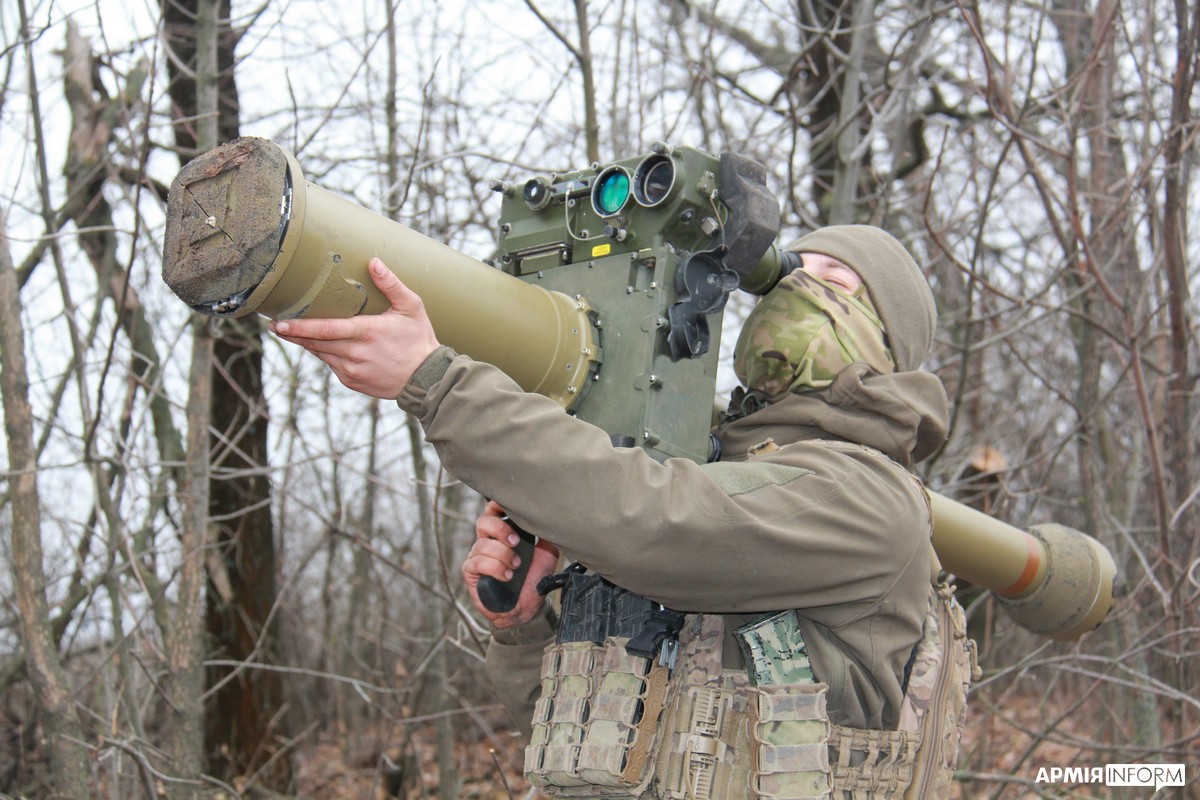
Despite the use of affordable interceptor drones costing 1,000 to 2,000 dollars, total costs for effective countermeasures remain high due to the need for sensor integration, reliable communications, and ongoing repairs. According to the National Security and Defence Council, Ukrainian interceptors demonstrate a mission success rate of over 60%, which is significantly more cost-effective than the value of the enemy Shahed drones destroyed.
Prospects for market consolidation
Experts predict a shift toward a cluster protection model, where several enterprises within the same industrial zone or port hub join forces to fund air defense. This approach is necessary for the agricultural, energy, and logistics sectors, where losses from forced production stoppages significantly outweigh capital investments in security.
The further development of the market will depend on the ability of companies to maintain 24/7 combat duty. Currently, there is a significant imbalance between the number of permits issued and the actual capabilities of operators. It is expected that the market will eventually consolidate around large integrators providing comprehensive facility security services, rather than limiting themselves to selling individual technological solutions.
At the same time, the issue of legal liability regarding debris from intercepted targets falling on civilian sites or neighboring enterprises remains unresolved. Establishing mechanisms for compensating damages caused by private air defense groups is one of the key challenges for regulators.
Illustrative photo: АрміяInform / CC BY 4.0
Read also: To Dugin regarding Ukraine: You get nothing, but the boomerang is already on its way