Russian command plans to draft up to 600,000 personnel throughout 2026–2027
Since May 2026, Russian occupation forces have been unable to compensate for their combat losses through contract recruitment for the first time. The Kremlin is preparing a covert mobilization of 600,000 citizens to continue the aggression against Ukraine. This is reported by the portal PromPolitInform, citing information from Defence Intelligence of Ukraine.
Between January and August 2026, the Russian army lost 282,000 servicemen, while only 275,000 individuals were recruited under contracts during the same period. Irrecoverable losses remain critical, accounting for 60% of total casualties, driven by the effectiveness of Ukrainian forces and the inadequate training of the invaders’ personnel.
Crisis of the contract model
Due to the exhaustion of «volunteer» resources, the Ministry of Defence of the Russian Federation is forced to recruit convicts and individuals with chronic diseases, such as HIV, syphilis, and hepatitis C, into combat. Recruitment has essentially become a hidden tax, with the federal center setting quotas while shifting the financial burden of payments to regional budgets.
Budgetary pressure on regions
Financing military needs has led to a sharp increase in local budget deficits, which reached 1.5 trillion rubles in 2025. The number of deficit-ridden regions has grown to 74, forcing local authorities to slash social and non-military expenditures despite continuous increases in one-time signing bonuses.
Preparations for compulsory conscription
According to intelligence, the Russian command intends to draft 600,000 people over two years to fully occupy the Donetsk and Luhansk regions. Systems for electronic summonses have been implemented, rights of draft evaders have been restricted, and military registration at enterprises has been tightened. Belarus training grounds are being considered for preparing new units.
Risks to Putin’s regime
The main obstacle to large-scale mobilization remains the extremely low public support, with over 74% of Russians expressing negative attitudes. Authorities are attempting to minimize social tensions by avoiding large cities and national regions; however, economic instability and labor shortages in the military-industrial complex pose a significant threat to the regime’s stability.
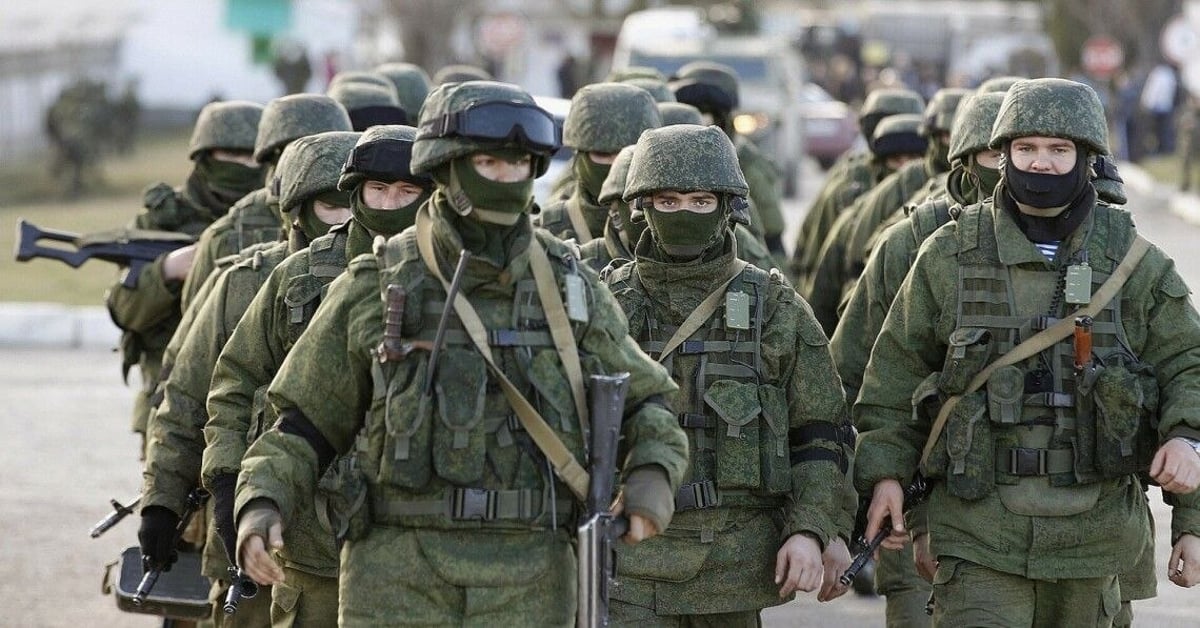
Photo: Солдати армії рф
Read also: Business War Loss Compensation Fund Worth UAH 58.7 Billion Faces Tax Disputes