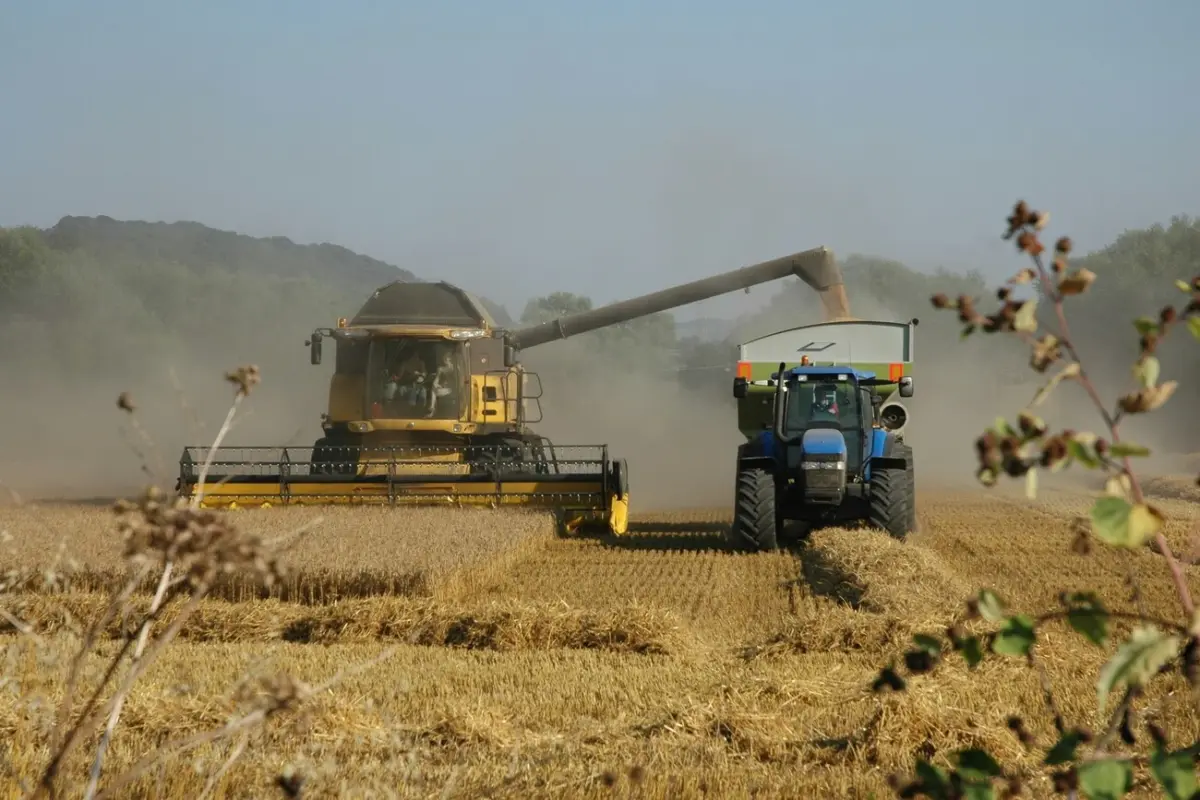
Farmers' fuel costs in some regions have exceeded last year's by 50%
Global diesel markets are facing a sharp shortage due to disruptions in the Strait of Hormuz and Ukrainian strikes on Russian refineries. As a result, farmers are forced to pay much more for fuel, which creates a threat of a new wave of food price increases. This was reported by Glavcom citing Bloomberg, according to the portal PromPolitInform.
In a number of regions, agricultural producers’ expenses on diesel are already more than 50% higher than last year’s figures. The problem became especially acute during the simultaneous need of farms for large volumes of fuel for tractors, seeders, and combines on the continent from the Australian state of Victoria to the Canadian province of Alberta.
Fuel crisis in the United States
US President Donald Trump’s administration is trying to ease price pressure ahead of the November midterm congressional elections. One of the steps was the temporary expansion of the use of red diesel for long-haul trucks and other road transport. However, analysts assure that the problem lies in supply, not taxes, since the federal tax is 24.4 cents per gallon.
«The problem is not taxes, it is supply», noted GasBuddy analyst Patrick De Haan. The White House is also considering a complete ban on diesel exports from the United States, which could create a shortage for countries dependent on American fuel, in particular the United Kingdom.
G7 reserves
G7 countries and their partners agreed to release up to 100 million barrels of oil and petroleum products from emergency reserves under the coordination of the International Energy Agency. The reserves will be directed mainly to diesel fuel over four months. However, experts note that this will only provide temporary relief to a market that needs stable supplies instead of moving existing reserves.
Additional pressure on consumer inflation is created by US trade policy through raising the average tariff rate. Studies by economists show that each percentage point increase in tariffs raises consumer prices by about a quarter of a percent per year. Meanwhile, Ukrainian farmers faced the fact that to buy a ton of diesel this year, they need to sell about 16 tons of grain compared to 4.5 tons last year.
Photo: Glavcom
Read also: Trump responds whether he considers plague outbreak in russia as biological weapon