Ten finalist teams competed in the 19th NATO Innovation Challenge finale
A Ukrainian defence technology firm secured third place in the 19th NATO Innovation Challenge, focused on persistent adversary airfield denial. The competition was organised by NATO Allied Command Transformation alongside the NATO-Ukraine Joint Analysis, Training and Education Centre. This was reported by ACT, according to the portal PromPolitInform.
During the final stage in Warsaw, the jury evaluated operational concepts presented by ten finalist teams. The challenge focused on creating systems capable of severely disrupting or preventing enemy air operations over extended periods.
Final results and winners
First place went to Czech company LPP Holding, which showcased an autonomous long-range strike uncrewed system built to operate in GPS-denied and contested electronic environments.
Polish firm Supercluster secured second place with its StratoAIM concept, which uses high-altitude balloons to deploy autonomous gliding assets across long ranges without traditional launch facilities.
Third place was awarded to a Ukrainian company that presented an artificial intelligence-driven autonomy system for uncrewed platforms, focusing on resilient positioning and target recognition.
Integrating battlefield lessons
The core challenge addressed a structural military problem: isolated strikes on runways often produce only temporary effects, as adversaries quickly repair damage and disperse assets.
Ukrainian subject-matter experts directly contributed to defining technical requirements and determining the necessary survivability criteria for contested battlefield environments.
The evaluation panel assessed submissions based on scalability, electronic resilience, cost-efficiency, and the speed at which technologies could reach end-users.
Next development steps
“We must learn from today’s battlefield, adapt rapidly, and turn those lessons into practical solutions,” stated JATEC Commander Major General Christian Brejner Ishøj.
The winning teams may receive further development funding and enter experimental testing within the broader Alliance operational ecosystem.
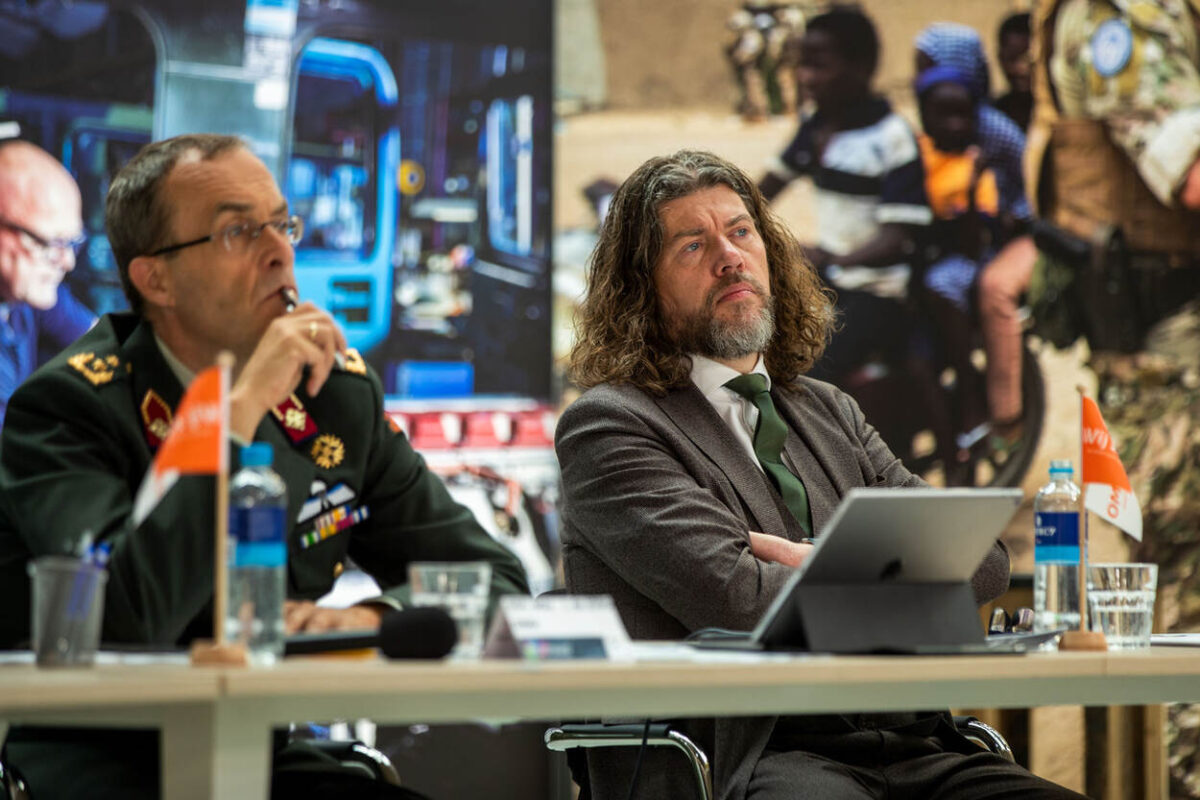
Illustrative photo: Ministerie van Defensie / CC0