Dnipro faces the withdrawal of four billion hryvnias through the reverse subsidy mechanism
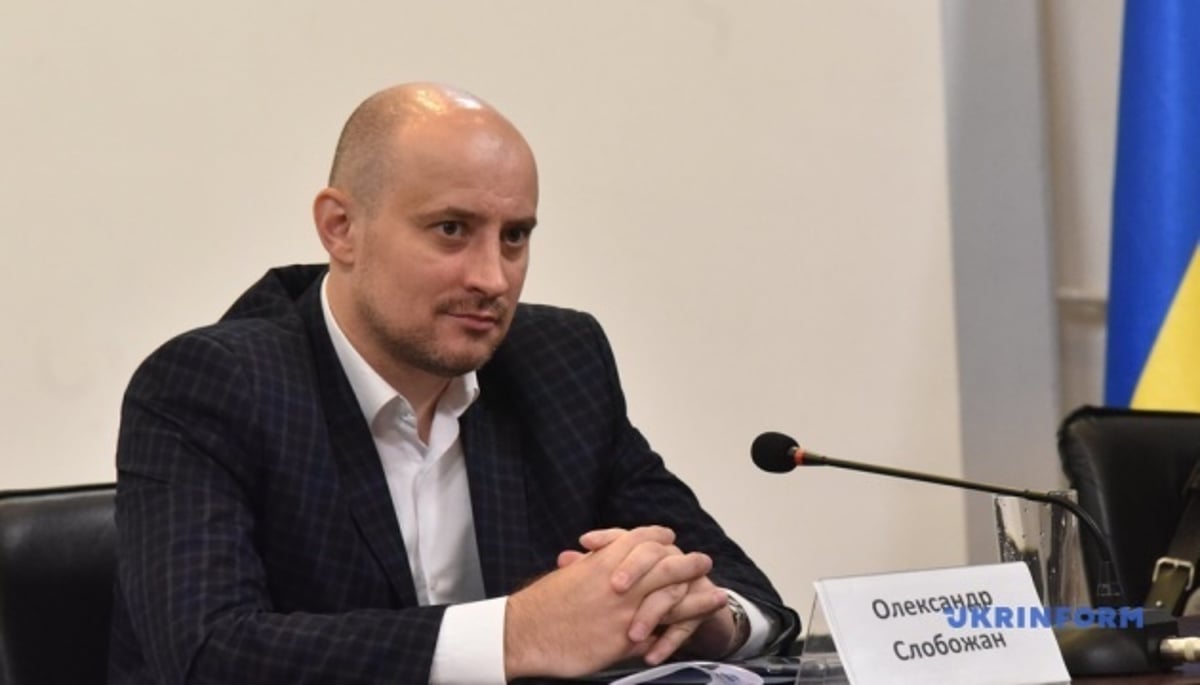
The current financial management model creates risks of delayed salary payments, shutdown of municipal utility companies, and mass emigration abroad. This was stated by Oleksandr Slobozhan, Executive Director of the Association of Cities of Ukraine. This was reported by Ukrinform, according to the portal PromPolitInform.
Government control over funds blocks the financial independence of territorial communities and hinders quick responses to critical security challenges. Because of this, local authorities are unable to adequately support regional economic activity and assist citizens affected by enemy shelling.
«Budget decentralization has long been curtailed, it does not exist, this is a big myth. A rigid centralized system of public administration has been built, and communities have no opportunity to make any decision without coordination with state authorities», — said Oleksandr Slobozhan.
Community funds withdrawal
Starting from 2025, the reverse subsidy mechanism is applied to 218 municipalities across the country. In particular, the city of Dnipro, which has sheltered nearly 200,000 internally displaced persons, faces the withdrawal of 4 billion UAH next year.
«Next year, they propose to take 4 billion UAH from Dnipro. And, of course, this causes not just questions about centralization, it causes outrage», — noted Oleksandr Slobozhan.
International loan delays
Similar restrictions apply to international financial obligations of municipalities towards investors. For instance, Lozova in Kharkiv Oblast attracted funds from the European Bank for heat supply modernization, regularly pays interest, but still has not received the principal amount.
«The government has not released the principal loan payments for two years so that they could hit their accounts, and Lozova could carry out the relevant reconstruction of heating systems because the central level did not approve the loan implementation schedules», — said Oleksandr Slobozhan.
Issues with basic service delivery
Centralized barriers also trigger the shutdown of critical municipal services due to the inability to pay for fuel and materials on time. Similar difficulties were recorded in Kropyvnytskyi, where public transport temporarily stopped operating due to blocked payments.
«There were examples when even in Kropyvnytskyi, which is a regional center, public transport stopped because gasoline was not paid for due to blocked funds at the central level», — noted Oleksandr Slobozhan.
Emergency response obstacles
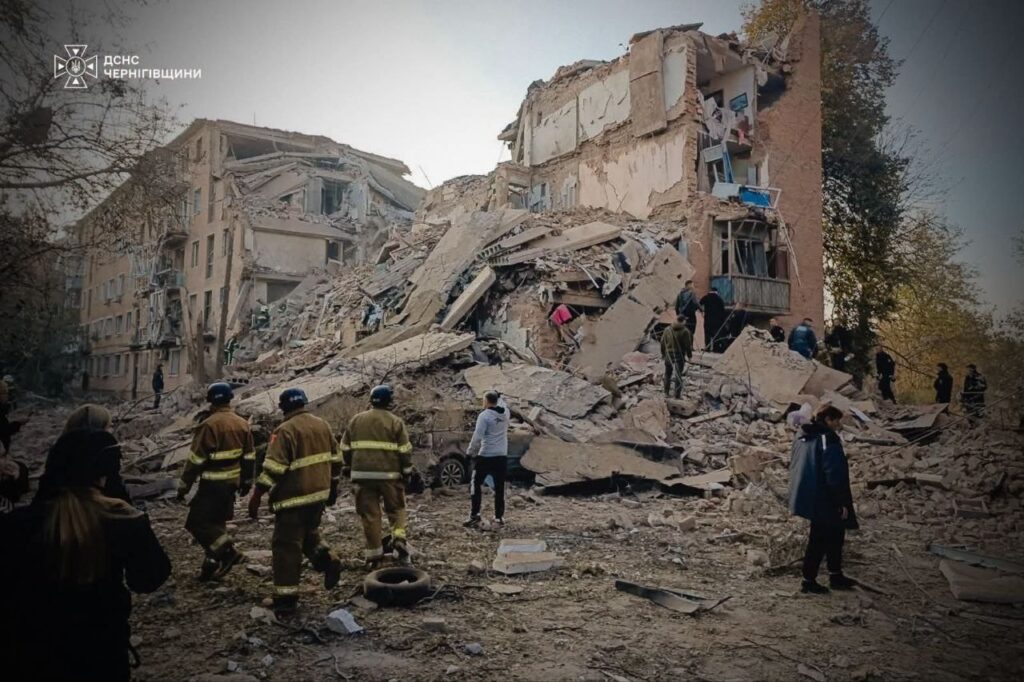
Another consequence of strict regulation is the lack of prompt access to money in frontline or border regions after destructions. Specifically, in Odesa and Kyiv oblasts, local administrations are unable to quickly direct finances to eliminate the aftermath of strikes.
«There is no opportunity to send an emergency team, an ambulance there, people simply have nothing to glaze windows and doors with, transport victims, or provide medical assistance. We are not even talking about housing restoration — there are no funds for urgent aid», — emphasized Oleksandr Slobozhan.
Threat of a systemic crisis
The expert stresses the urgent need for parliamentary intervention and a revision of government regulations to prevent the collapse of local self-government. Without changes, the state budget risks facing reduced revenues due to enterprise shutdowns and depopulation of Ukrainian territories.
«We are facing a crisis of unpaid wages, layoffs, citizens leaving abroad, a decrease in taxes to the state budget, the closure of a large number of enterprises, the suspension of heat, water, and electricity supply services, and simply the depopulation of the territory», — concluded Oleksandr Slobozhan.
Photo: Ukrinform