Russia's shadow fleet imported 70,000 tonnes of fuel from South Korea and Egypt
Systematic Ukrainian strikes on Russian oil refineries have led to a significant reduction in domestic aviation kerosene production. To cover the shortfall, the aggressor state has been forced to import Jet A-1 aviation fuel from abroad. This was reported by RBC-Ukraine (Сергій Козачук) citing Main Directorate of Intelligence of the Ministry of Defence of Ukraine, according to the portal PromPolitInform.
A shortage of domestic resources is forcing the Russian leadership to seek foreign supplies to support its military aviation and civil air transport. Russia has already officially imposed a temporary ban on the export of its own aviation fuel.
According to military intelligence, three tankers from the Russian shadow fleet delivered 70,000 tonnes of Jet A-1 fuel to the ports of Saint Petersburg and Vladivostok. The shipments originated from South Korea and Egypt.
Sanctions Evasion Schemes and Involved Tankers
The supply chain involved the vessel ASTORIA, which is under UK and EU sanctions. It transported nearly 11,000 tonnes of fuel from the South Korean port of Ulsan to Vladivostok on behalf of the Independent Petroleum Company. The fuel is subsequently transferred to TZK-AERO, which supplies the Russian armed forces and the FSB.
Additionally, the tankers HANNA and CAPIBARA, which are under Ukrainian sanctions, delivered nearly 59,000 tonnes of aviation fuel from the Egyptian port of El-Dekheila to the Petersburg Oil Terminal. Companies from the UAE, Egypt’s MIDOR refinery, and the Egyptian General Petroleum Corporation were involved in the delivery.
Use of Imported Fuel in Military Hardware
The imported Jet A-1 fuel is fully compatible with Soviet and Russian TS-1 and RT standards. It is used to refuel combat aircraft and drones deployed in the war against Ukraine.
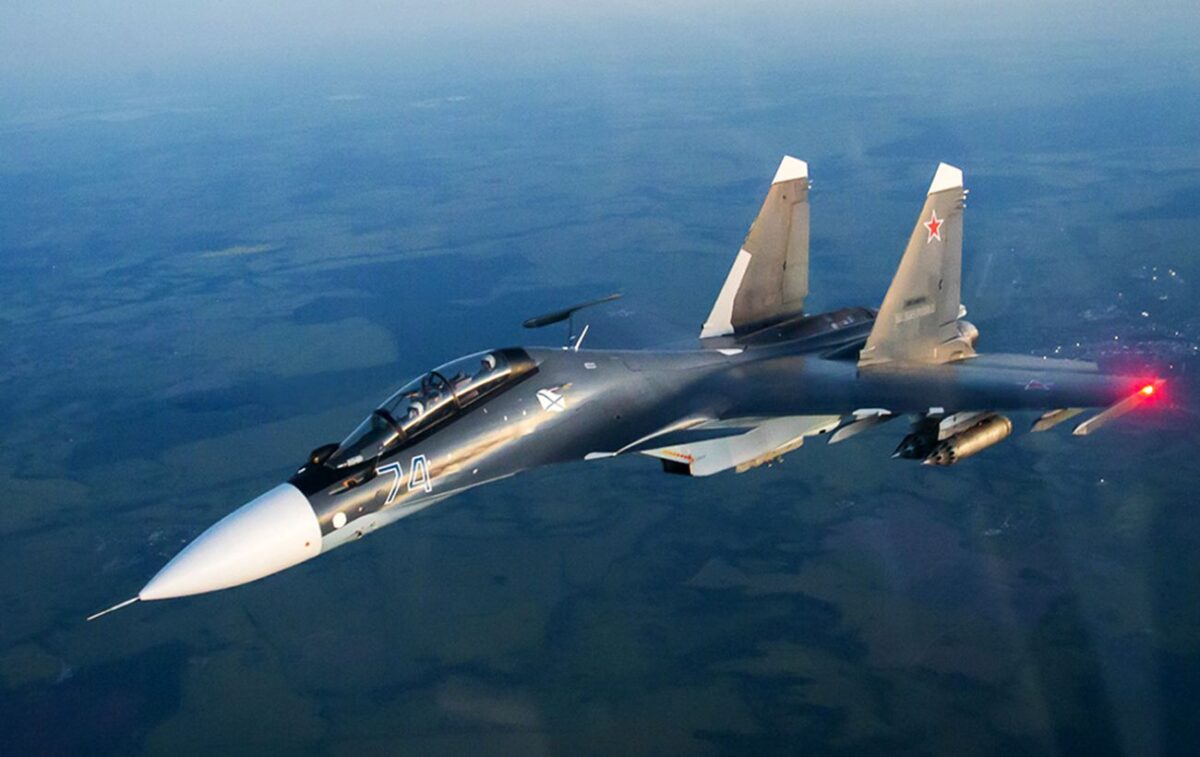
Specifically, the fuel is used for MiG-29, Su-34, Su-35S, Su-30SM, Su-57, and Su-24M fighters and bombers. It also powers Tu-95MS strategic bombers, Il-76MD-90A military transport aircraft, and Geran-4 and Geran-5 strike drones equipped with turbojet engines.
Photo: RBC-Ukraine
Read also: To Dugin regarding Ukraine: You get nothing, but the boomerang is already on its way