The modern war economy of russia is increasingly demonstrating its vulnerability to pinpoint strikes on key nodes of civil and industrial infrastructure. When physical damage to logistics or oil refining facilities instantly converts into billions in financial losses on the stock market, it becomes a systemic factor of destabilization. Observers of the aggressor’s economic processes can only record how, in parallel with the glow of fires at industrial sites, the quotes of leading russian companies are burning, demonstrating the business’s total lack of protection against risks.
A striking confirmation of this trend was the devastating blow to the financial performance of one of russia’s largest marketplaces. On the Moscow Exchange, Ozon shares plummeted by 27%, reaching their lowest levels since August 2023—2112.5 rubles per security. According to the analytical publication The Moscow Times, the company’s market capitalization melted at record speed, shrinking by 185 billion rubles. The scale of panic among investors proved so significant that the trading platform was forced to temporarily halt trading and introduce a discrete auction mode to stabilize the situation.
The sell-off was caused by a series of successful drone attacks that, over three days, struck six of the retailer’s warehouse facilities. As noted by The Moscow Times journalists, damage was sustained by logistics hubs in Samara, Orenburg, and Makhachkala, where a massive fire broke out, as well as in the settlement of Enem near Krasnodar. At the same time, warehouses in Adygeysk and Nevinnomyssk underwent emergency evacuation procedures due to the constant threat of raids, which completely paralyzed the company’s operational activities in these regions.
A domino effect immediately engulfed adjacent sectors of the russian financial market. Shares of the marketplace’s main shareholder, the AFK Sistema holding, lost 12.4% of their value, rolling back to deep 2014 levels. The general MOEX index fell by 2.5%, reacting to the growth of geopolitical threats. Market analysts, assessing the scale of the destruction, predict that Ozon will be forced to completely abandon dividend payments to cover unforeseen operational losses from damage to its logistics network.
Simultaneously with the crisis in retail, russia’s strategic fuel industry is suffering systemic losses. According to investigators from the Radio Svoboda telegram channel, based on analysis of high-resolution satellite imagery and cartographic service data, a fire broke out at the Afipsky oil refinery in Krasnodar Krai following another UAV attack. The fire engulfed a critical gas and gas condensate processing unit, which ensures the production of gasoline, diesel fuel, and the preparation of raw materials for the entire production cycle.
The situation around the Afipsky refinery demonstrates the methodical pressure on russian industry, as since the beginning of the full-scale invasion, this facility has been the target of such strikes more than 10 times. Radio Svoboda journalists remind that just on August 7 of this year, there was already an attempt to localize a fire at the site caused by falling debris. Systematic damage to such capacities gradually undermines the enemy’s production capabilities, and combined with logistical collapse, creates a cumulative effect that the russian economy is no longer able to compensate for through internal reserves.
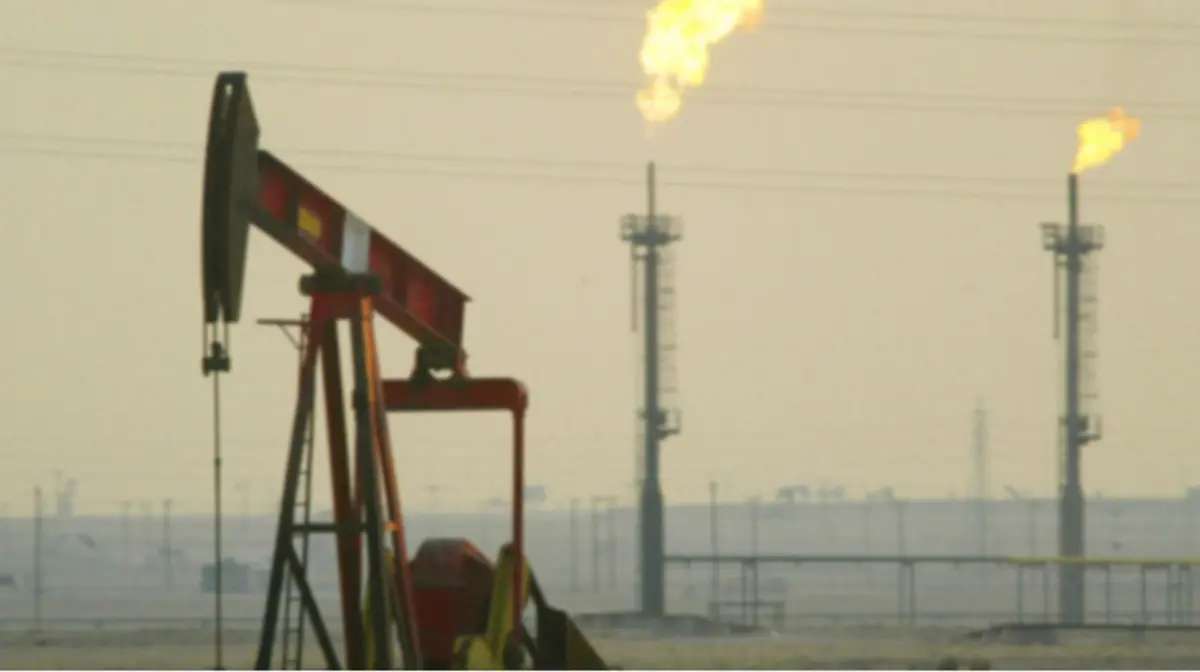
Illustrative photo: Економічна правда
Read also: