MSC has stopped accepting cargo to Novorossiysk following damage to the MSC ULSAN III vessel
The publication USM — Ports and Shipping reported on MSC’s decision to partially resume the transit of its vessels through the Suez Canal on East-West routes. According to the report, the return of services to the traditional path followed an internal audit of the security and operational situation. To ensure stable operations, updated schedules are being implemented in phases: on August 20, the vessel MSC TINA (Tiger service) departed in the eastbound direction; on August 24, the container ship MSC MICHEL CAPPELLINI (Jade service) departed from Abu Qir port, while the vessels MSC JOSEFINA and MSC ANNA commenced their voyages from Jeddah and Singapore. By the end of August, the departure of the vessel MSC BERYL from the Himalaya service is also scheduled.
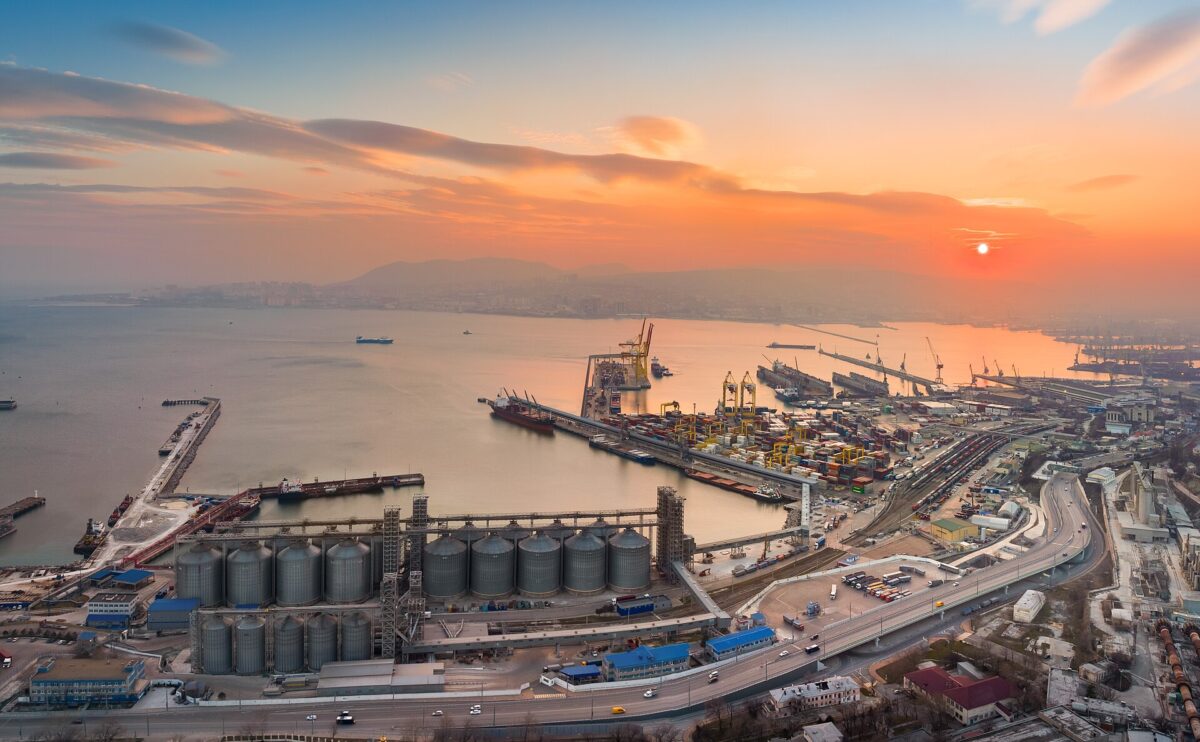
While the traditional route through the Red Sea is gradually regaining attractiveness thanks to individual risk analysis for each service line, the company’s Black Sea logistics have suffered a devastating blow. As reported by Bloomberg, MSC Mediterranean Shipping has completely stopped accepting new cargo for the Russian port of Novorossiysk. The direct reason for halting operations was the damage sustained by the container ship MSC ULSAN III while en route to this terminal due to drone attacks, as confirmed by representatives of the carrier’s local office.
Bloomberg highlights that the suspension of MSC’s operations in the Black Sea effectively blocks even the humanitarian corridor. While since 2022 the Swiss-Italian operator’s activities within russia had been limited exclusively to the delivery of food and medicine, these shipments are now being halted due to the threat to crews and vessels. Freight forwarders and logistics companies are openly warning counterparties against using this route, noting that regular imports from China via the Black Sea have become significantly more complicated since mid-summer.
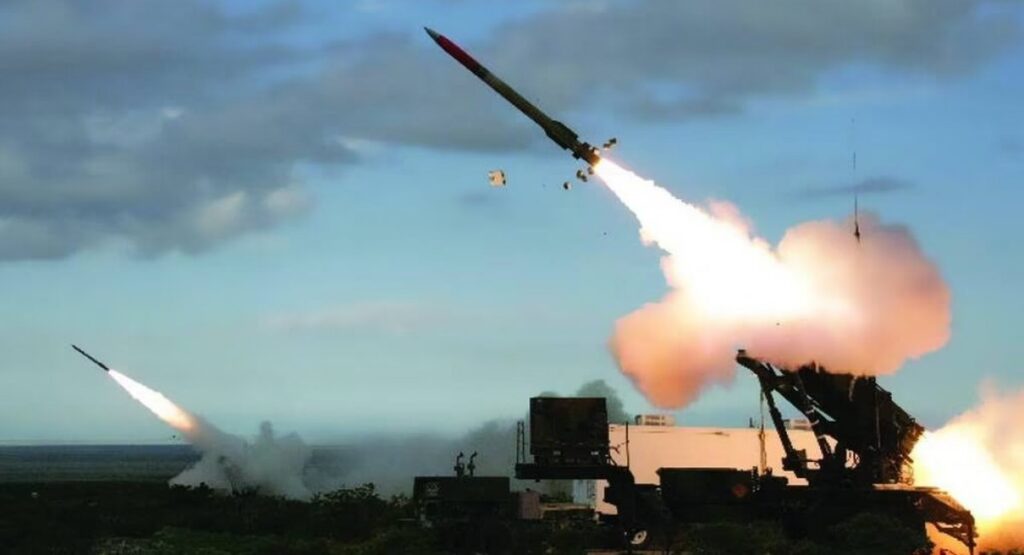
The deteriorating situation at russian Black Sea terminals is a consequence of a systemic decline in maritime safety. In addition to the incident involving the MSC container ship, numerous drone attacks have been recorded in the region, resulting in damage to at least five grain carriers near russian ports, while the events of the night of August 12 demonstrated the increasing effectiveness of long-range strike capabilities. Ultimately, MSC is maintaining its mobility by returning to the Suez, yet it is removing risky russian destinations from its map.
Illustrative photo: WeedNoon / CC BY-SA 4.0
Read also: